

Origins
Bolivian coffee: The mountain-grown rarity that nearly disappeared

Coffee shouldn't grow here.
Here, the Andes collapse into the Amazon, creating near-vertical farms that cling to the slopes. Coffee grows in what locals call “vertical kingdoms,” or thin strips of fertile land that demand both courage and care. For years, the country’s coffee nearly disappeared. Less than 1% of the world's beans grow here. Yields dropped, trees aged, and infrastructure fell apart. But what survived is extraordinary.
Bolivian coffee isn't just high-grown; it's hard-won. Each harvest represents families who refused to abandon hillsides that demand everything. That persistence shows up in the cup: bright yet gentle, complex yet clean, like something rescued from the edge of disappearance.
The story of place
Bolivia is a country of extremes. Coffee farms in the Yungas region cling to slopes between 1,200 and 2,500 meters, where the mountains tumble toward the rainforest. At sunrise, mist rises from the jungle floor; by afternoon, the sun is fierce enough to bleach the air. That contrast slows everything down.
Coffee cherries ripen weeks later here than in neighboring countries, building sweetness one cold night at a time. The result is a delicate brightness you won't find at lower elevations.
That tension between isolation and abundance, between jungle and altitude, defines these coffees. When you taste Bolivian coffee, you taste that equilibrium: bright and airy, but rooted in something earthy and real.
The story of craft
Coffee in Bolivia is family work. After land reforms in 1953 redistributed plantation holdings to indigenous families, the model shifted entirely. Today, most farms span just three to 20 acres, small enough that every tree is known by sight, every harvest a family event.
This scale creates character. What larger operations might standardize, small farmers adapt to their specific microclimate and terrain.
The cooperative difference
Farmer-owned collectives like Cooperativa San Juan (formed in 1974, now about 40 member families) and Bio Arabica(founded in 2017 by farmers averaging just 30 years old) pool resources for processing equipment, quality training, and export permits. These are communities where knowledge passes between generations.
In regions like Caranavi, women-led initiatives through the Café Femenino (Women's Coffee) movement have given female farmers direct ownership of production and sales.
Programs like Sol de la Mañana (Morning Sun) have nearly tripled yields since 2014 by focusing on soil health and selective pruning. Leading farmers now achieve 10+ bags per hectare, up from 2-3 a decade ago.
The result isn't just more equitable, it's better coffee. Diversity in farming decisions creates complexity in flavor.
The story of flavor
Bolivian coffees are delicate by nature but deliberate by choice.
Expect brightness up front, tangerine, crisp apple, sometimes white grape, but underneath there's always softness. Caramel sweetness. Cocoa. Occasionally jasmine or honeysuckle. The body stays light yet creamy, the finish long and quiet.
Unlike coffees that announce themselves boldly, Bolivian lots reveal their quality slowly. They reward patience, both the farmer's and yours.
What to notice
Pay attention to how the coffee changes as it cools. That first sip at full temperature shows the brightness: the citrus acidity, the floral lift. But give it five minutes.
As the cup cools to warm, the sweetness emerges: caramel, brown sugar, sometimes a hint of honey. The acidity softens but doesn't disappear. It's still there, just gentler, more integrated.
This evolution in the cup mirrors what happens on the mountain: dramatic temperature swings from morning to afternoon, cold nights that slow ripening and build sugar, bright days that develop acidity.
The coffee is telling you its origin story with every degree it drops.
Brew notes
Pour-over methods (V60, Chemex, or similar) work beautifully with Bolivian coffees. Use water around 203°F (95°C) and a ratio of 1:16 or 1:17 (coffee to water). The slightly cooler temperature preserves the delicate florals and prevents bitter notes from emerging.
The key with any brewing method: don't rush it. Let the coffee open up in the cup. Bolivian coffee asks you to slow down, and it rewards you when you do.
What Bolivia teaches
Rarity alone doesn't make coffee precious. Care does.
Bolivian coffee shows us that beauty can emerge from fragility, that persistence is its own form of craft. Every bag exists because farmers chose to keep tending hillsides when market forces, infrastructure challenges, and climate pressure all suggested they stop.
What you're tasting is commitment: small, patient, and deeply human.
This is coffee that almost wasn't. That it exists at all is a minor miracle of determination. That it tastes this good is proof that quality and quantity don't always scale together. Sometimes, the smallest farms produce the most memorable cups.
Bolivian coffee is featured in:
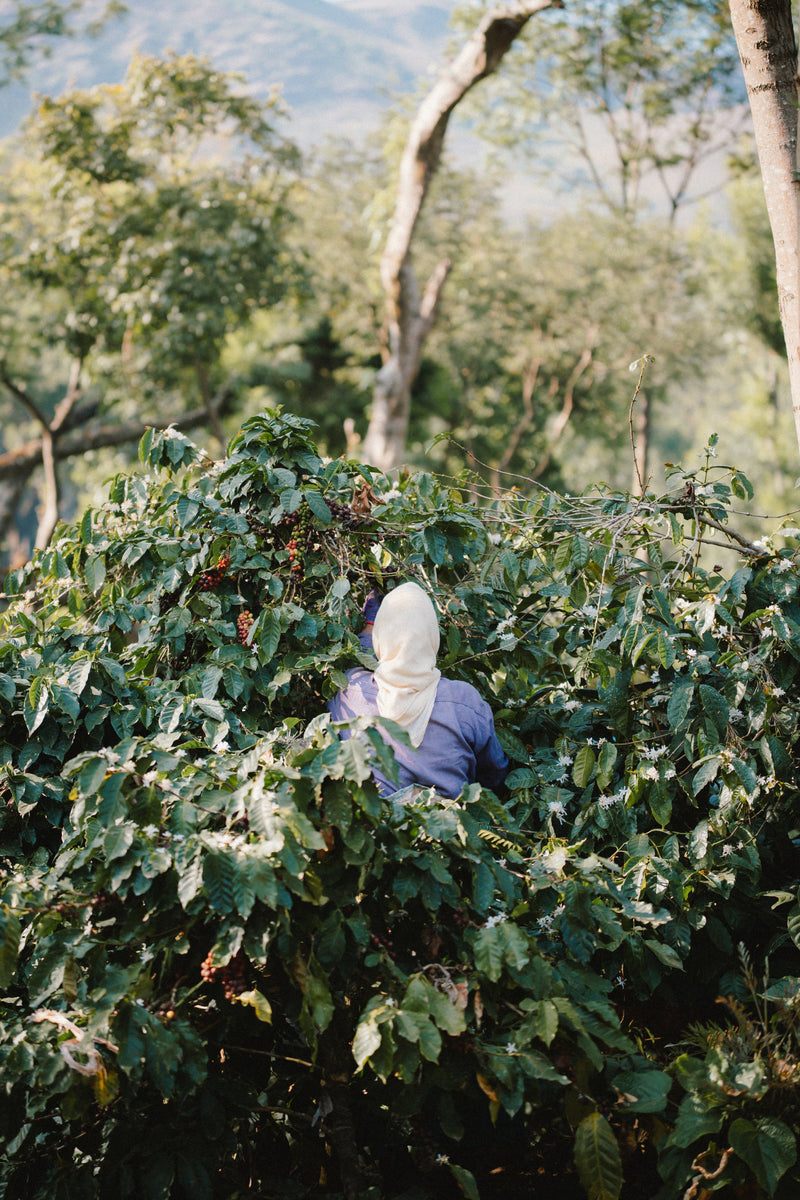
Women in coffee: The history, the gap, and the Burundi women closing it
In Burundi's northern hills, a coffee harvest has traditionally ended the same way. Women pick the cherries, sort them, and...
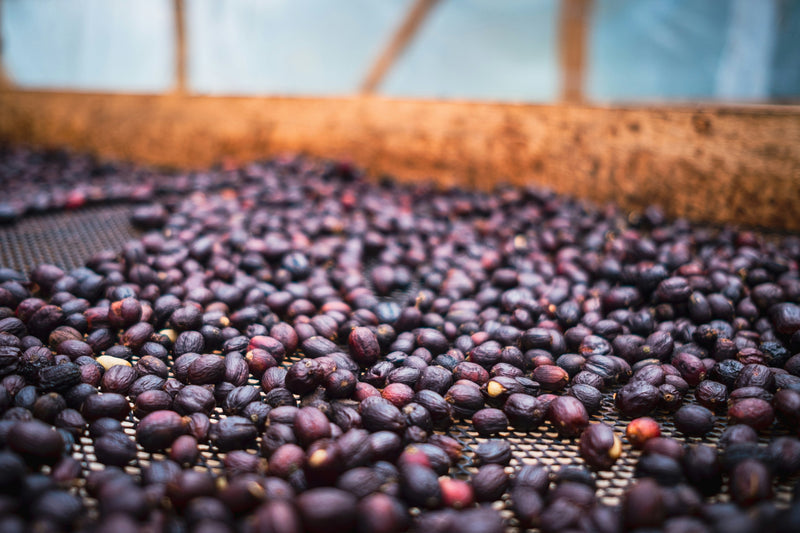
Natural process coffee: why some coffees taste like fruit
The first sip is the giveaway. Maybe it’s blueberry, or black cherry, or something closer to strawberry jam than anything...
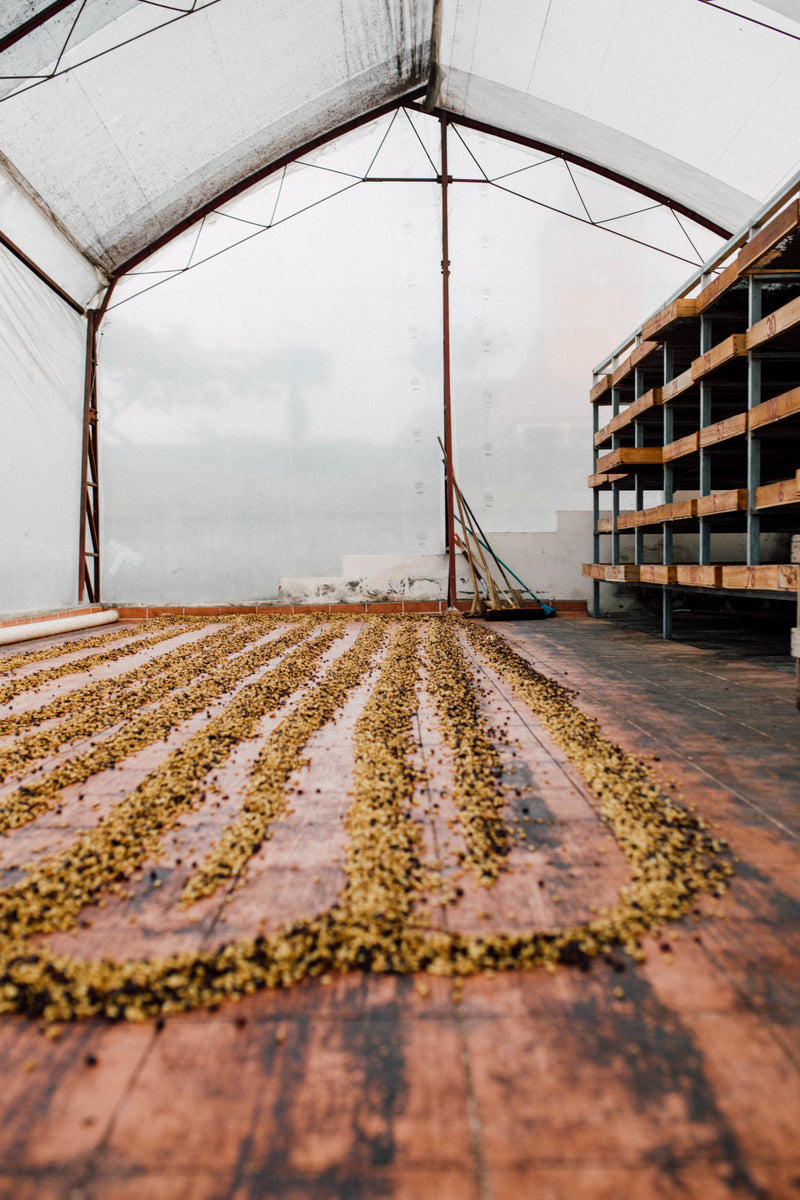
Honey processed coffee: the sweet spot between washed and natural
Read the label on a bag of "red honey" or "black honey" coffee for the first time and it's a...