

Origins
Guatemala: Where altitude meets intention

There’s something about Guatemala that teaches patience.
The air is thinner here, the roads slower, the work steeper. Coffee doesn’t hurry in this landscape. It matures at its own rhythm, touched by cloud and ash, day after day. That pace shows up in the cup.
The best Guatemalan coffees carry a kind of composure, bright yet grounded, sweet yet restrained, full of quiet intention. They're the result of farmers returning to the same trees multiple times during harvest, picking only what's ready. That patience, repeated over generations, has become Guatemala's signature.
The story of place
Guatemala isn’t defined by one landscape or flavor. It’s a country of contrasts that somehow resolves into harmony.
Coffee grows here between 4,000 and 6,500 ft, but altitude alone doesn’t tell the whole story. Guatemala claims nearly 300 distinct microclimates, each shaped by rainfall patters, wind currents, soil composition, and proximity to volcanic peaks or highland lakes. The result is a mosaic of regional styles, all speaking the same language of care.
Volcanoes rise from tropical lowlands, the air shifts from heavy to alpine in a matter of hours. The soil, fed by centuries of eruptions, never stops renewing itself.
These rhythms shape the country’s coffee: days of intense sun and cool, misty nights slow the ripening of each cherry, deepening sweetness and structure.
Anacafé (the national coffee association of Guatemala) has identified 8 distinct regions, each with its own personality and cup profile.
Huehuetenango: where remoteness becomes independence
Huehuetenango sits high in the Cuchumatanes mountains near the Mexican border, one of the few non-volcanic regions in Guatemala, protected from frost by dry winds that blow up from Mexico's valleys. The remoteness means nearly every producer processes their own coffee, turning geographic isolation into operational independence.
The result: coffees known for sweet acidity wrapped in a buttery body, with fruity notes of stone fruit and citrus that feel bright without sharpness.
Antigua: volcanic calm
Antigua sits in a valley ringed by three volcanoes, where occasional eruptions deposit fresh layers of mineral-rich ash across the soil. This natural fertilization creates coffees that feel both comforting and complex: dark chocolate meeting mulled wine, with a velvety body that holds up beautifully even in darker roasts.
Atitlán: lake effect
Atitlán's coffee grows on volcanic slopes surrounding Lake Atitlán, where afternoon winds called "Xocomil" regulate temperature and humidity. The result is coffees with pronounced acidity, distinctive floral and citrus notes, and a complex spiciness that sets the region apart.
The other regions
Beyond these three, Guatemala offers five more distinct growing areas: Cobán (rainforest climate, delicate and wine-like), Fraijanes (volcanic power, smoky undertones), Nuevo Oriente (water stress creates tension between sweetness and acidity), San Marcos (earliest harvest, notable sweetness), and Acatenango (extreme altitude, exceptional balance). Together, they form a spectrum of possibility. Proof that place and patience can express themselves in countless ways.
The story of craft
For decades, Guatemala built its reputation on washed coffees meticulously cleaned and dried to highlight clarity and brightness. Even today, the vast majority of Guatemala's production follows this traditional method.
But something shifted in the specialty sector. Around 2016, five of Guatemala's Cup of Excellence winners were honey or natural processed coffees. For a country built on washed coffee tradition, this represented more than trend-chasing. Farmers were discovering that their terroir could express itself differently through various processing methods.
| Honey processing | Natural processing |
| Happens when some or all of the fruit's sticky mucilage layer stays attached during drying. It rounds out acidity, adds layers of sweetness, and creates flavors that evolve as the cup cools. | Happens when the entire cherry dries around the bean. This creates more fruit-forward profiles with honeyed sweetness. |
The change isn't about abandoning tradition. It's about curiosity.
By rethinking process, farmers discover new sides of their terroir: rounder sweetness, softened acidity, complexity that emerges gradually rather than announcing itself immediately. This spirit of experimentation mirrors the balance Guatemala does best: innovation rooted in deep respect for what came before.
The story of flavor
Guatemalan coffees reward slower brewing. Whether you use a pour-over or French press, let the brew breathe.
What to notice:
The first thing you'll notice is structure. Guatemalan coffees tend to have good body. Not heavy, but present. They hold their shape in the cup.
From Huehuetenango, expect brightness that feels sweet rather than sharp. Think stone fruit, ripe peach or apricot, with a touch of citrus in the background. As the cup cools, a subtle honey note often emerges, tying everything together.
Antigua shows its chocolate side early: milk chocolate or cocoa, often with warming spices like cinnamon or clove. The body here is rounder, more comforting. You might taste caramel sweetness or a hint of dried fruit.
Atitlán brings florals, jasmine or orange blossom, alongside the fruit. The acidity is more pronounced here, but balanced by a silky mouthfeel that softens the edges.
Across all regions, look for how the flavors evolve as the temperature drops. Guatemalan coffees tend to reveal themselves in layers rather than all at once. Patience, again.
Brew notes:
Brew with slightly cooler water (around 200°F) and take small sips as the temperature drops. Notice how the sweetness rounds out and the acidity softens, as if patience is literally revealing itself in flavor.
What Guatemala teaches
Guatemala reminded us that excellence often begins far from convenience. Its coffees aren’t loud or showy. They’re patient, articulate, quietly confident. They show what happens when time, craft, and care align. How something grown halfway up a mountain can still feel deeply grounded.
The farmers here make decisions based on generations of accumulated knowledge, modified by what they learn from neighbors, refined through experimentation. They choose quality over quantity, harvest only ripe cherries even when it means eight or 10 passes through the same field, dry their coffee on patios they built themselves.
That kind of attention compounds. It shows up in the cup as balance, as complexity, as flavors that keep revealing themselves sip after sip.
For us, that’s the essence of Folk’s approach to learning: every origin is a conversation, not a collectible, and Guatemala is one we’ll keep coming back to.
Guatemalan coffee is featured in:
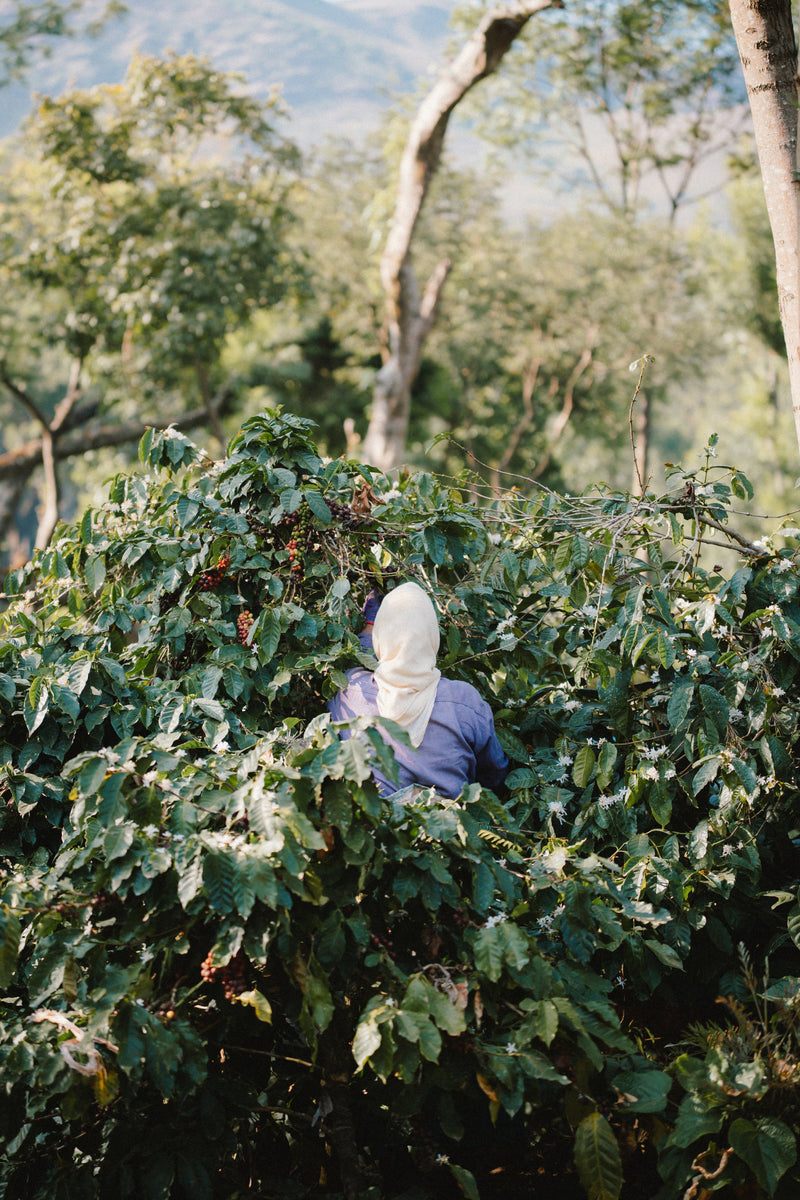
Women in coffee: The history, the gap, and the Burundi women closing it
In Burundi's northern hills, a coffee harvest has traditionally ended the same way. Women pick the cherries, sort them, and...
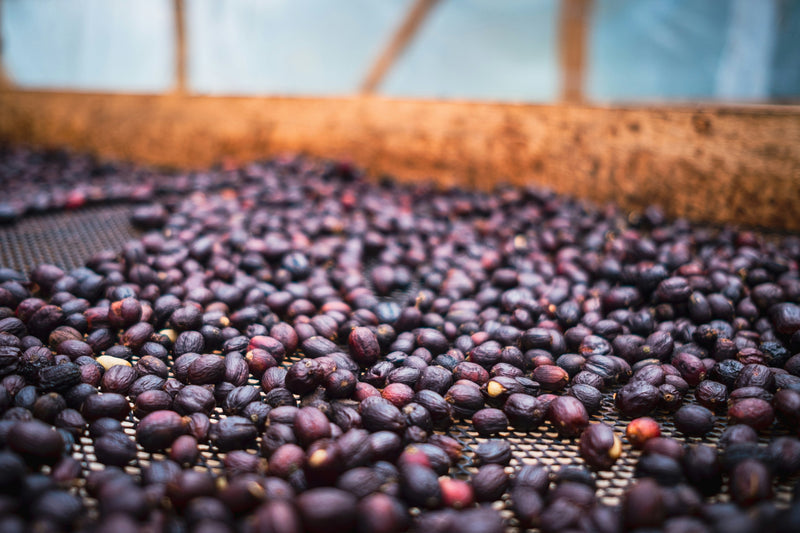
Natural process coffee: why some coffees taste like fruit
The first sip is the giveaway. Maybe it’s blueberry, or black cherry, or something closer to strawberry jam than anything...
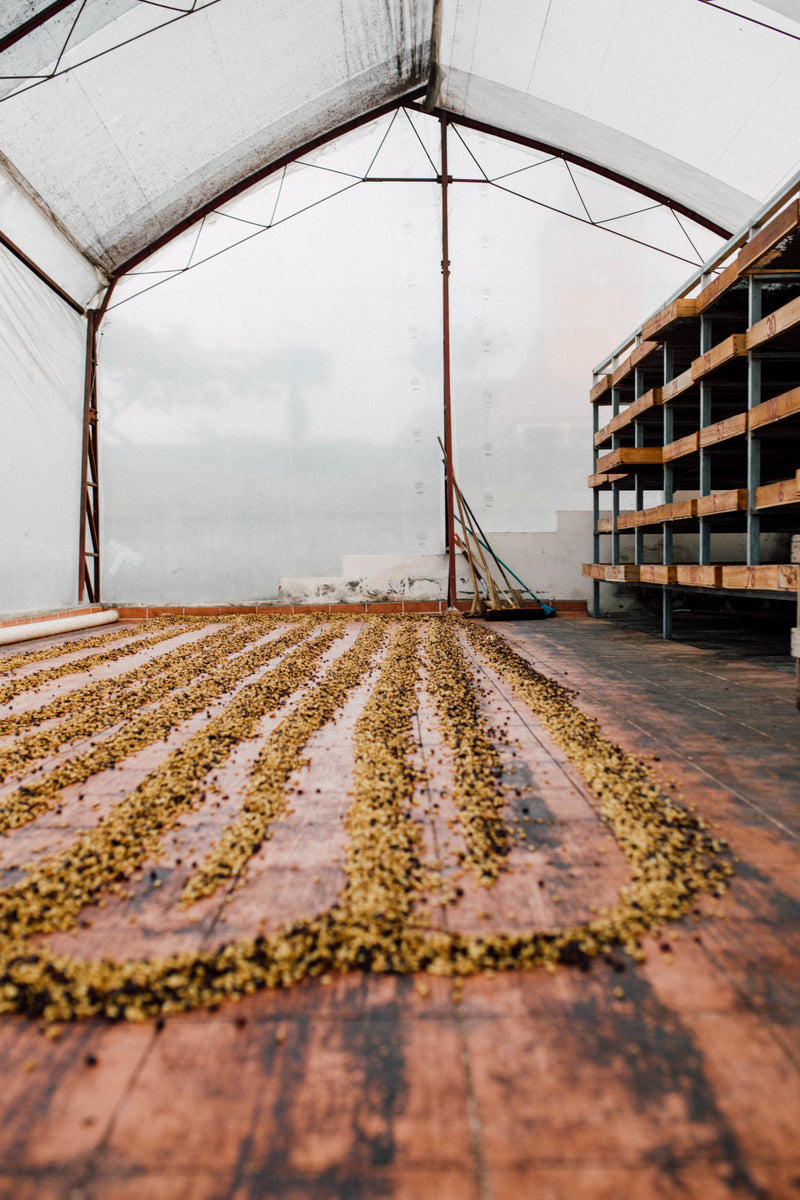
Honey processed coffee: the sweet spot between washed and natural
Read the label on a bag of "red honey" or "black honey" coffee for the first time and it's a...