

Slow moments
How to make guests feel welcome: the quiet art of coffee hospitality

Hospitality isn’t about impressive homes or elaborate setups. It’s about how people feel when they’re in your space — how the room shifts around them, the pace of the moment, and the small signals that say: you’re welcome here.
Priya Parker — facilitator, author, and one of our personal north stars when it comes to gathering — reminds us that great hosting begins with intention: knowing why people are coming together and how you hope they’ll feel when they leave.
Coffee is one of the simplest ways to bring that intention to life. It slows everyone down, creates a natural pause, and turns a visit into something shared rather than transactional.
Here’s how to use coffee to make guests feel welcome in a way that feels effortless, personal, and memorable.
How to create thoughtful coffee moments
Sharing memorable coffee moments with friends and family doesn’t need to feel like a big production. With a little prep and thoughtful details, you can set a scene that invites presence and connection over a steamy cups.
Step 1: Set the mood
Before guests arrive, think about the space where you'll share coffee. You don't need an Instagram-worthy setup. You're creating an environment that says "stay awhile."
Lighting shifts everything. Swap bright overheads for the warm glow of table lamps or light a candle. It immediately signals that this time is different, set apart from the day's rush.
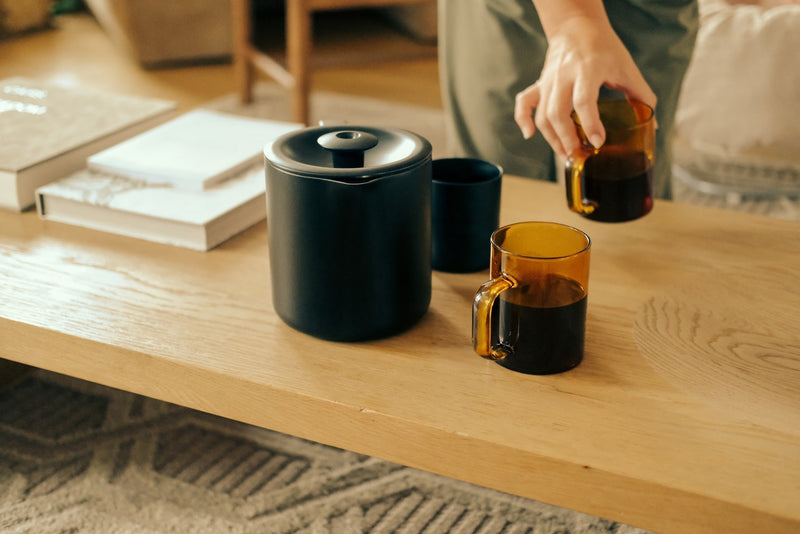
Add physical comfort. That throw blanket on your couch, a few books on the coffee table, anywhere feet can rest. These small touches make people want to settle in.
Music sets the mood. Choose something that supports conversation rather than competing with it. Keep it low. The specific genre matters less than finding what fits the moment — though we've got a few playlists curated by folks who know their stuff if you want a starting point.
Step 2: Choose coffee that carries meaning — and share why
You don’t need rare beans or expert-level tasting notes to make serving coffee feel special. What elevates the moment is the reason you chose a particular coffee and the story behind it.
Maybe it’s a bag you’ve been saving for a good conversation.
Maybe it’s from this month’s Folk Volume, and a detail about the farmer, region, or process stood out to you.
Maybe it simply reminds you of a place or time you love.
Hospitality often lives in these small explanations. Telling someone why you chose something for them — even in a single sentence — adds depth and intention. It’s what sommeliers do with wine: not to impress, but to invite people into the experience.
And if stories aren’t your thing, that’s fine. A simple “I thought you’d enjoy this one” goes further than you think.
3. Let the ritual be something you share
One thing we love about Priya Parker’s philosophy: people don’t want to be entertained — they want to be engaged.
Bringing the brewing ritual into the space where you’re sitting makes the moment feel collaborative rather than staged.
Invite them into the process:
- Let them smell the grounds before you pour.
- Point out the way the coffee blooms.
- Talk about what you’re tasting as the cup comes together.
This isn’t a performance. It’s a slow, grounding sequence that makes the experience feel communal. And if brewing in the kitchen while you catch up feels more natural, that’s just as hospitable — the goal is presence, not performance.
Step 4: Think through the small details
Here’s where the little things can make a big difference to help you guests feel most comfortable and ease into the moment.
- Warm the mugs while the water heats.
- Offer a choice of mismatched favorites — the ones with stories.
- Set out a bowl with dark chocolate, nuts, or fruit, not as a spread but as a companion.
- Keep milk, sugar, or syrups close by so guests can make their cup their own.
The goal is giving people a reason to take another sip, another bite, another moment of pause. Like how you can't eat just one potato chip, except the opposite of that frantic energy.
Keep it simple
If you've got a small apartment, work long hours, or have kids running around, you might not dimming lights and setting up tableside brewing. And that's fine.
Coffee hospitality works in a kitchen with morning light streaming in. It works on a fire escape. It works wherever you are, as long as you're present. The fancy stuff is nice when it's easy. When it's not, it gets in the way.
Step 5: Create connection
What truly sets coffee hospitality apart is your attention. Put your phone in another room. The most generous thing you can offer is being fully there.
Ask questions that invite stories. Share your own. Let conversation meander rather than forcing it anywhere particular. Some of the best coffee conversations start with "remember when..." and end hours later with "I had no idea we'd been sitting here that long."
Don't fill every silence
Not every moment needs words. Sometimes the best hospitality is creating space for comfortable silence — the kind where being together is enough.
The gentle clink of spoons against ceramic. The satisfied sigh after a perfect sip. The contemplative pause while watching steam rise and disappear. These aren't awkward silences. They're the comfortable kind that make people want to come back.
Step 6: Adapt to your circumstances
Your coffee hospitality can shift with the seasons without overthinking it. Winter might mean heavier mugs that hold heat and cozy corners near windows. Summer might mean opening those windows wide or serving coffee over ice.
The invitation stays the same — to pause, connect, savor. But the details adapt to what feels right for the moment. Pay attention to what your space and the season are already offering, and let that guide you.
What your guests will remember
Long after the mugs are rinsed and put away, people remember:
- how they felt in your home
- the care behind the small choices
- the conversation that unfolded at its own pace
- the story you shared about the coffee
- the quiet moment when the room settled
They don’t remember the grind size or the precision of your pour. They remember feeling welcomed, unhurried, and seen.
Coffee is simply the medium.
Hospitality is the message.

The solo coffee date
Sometimes the best company is the quiet kind: a warm mug, a few uninterrupted minutes, and coffee good enough to...
The Folk coffee gifting guide: Thoughtful presents for meaningful moments
The coffee lovers in your life don't need another novelty mug or a bag of beans that's been sitting on...

Slowing down with artist Amanda Jones
Our team was ecstatic when Amanda Jones said yes to being Folk’s inaugural artist partner. Our founder Sean and his...