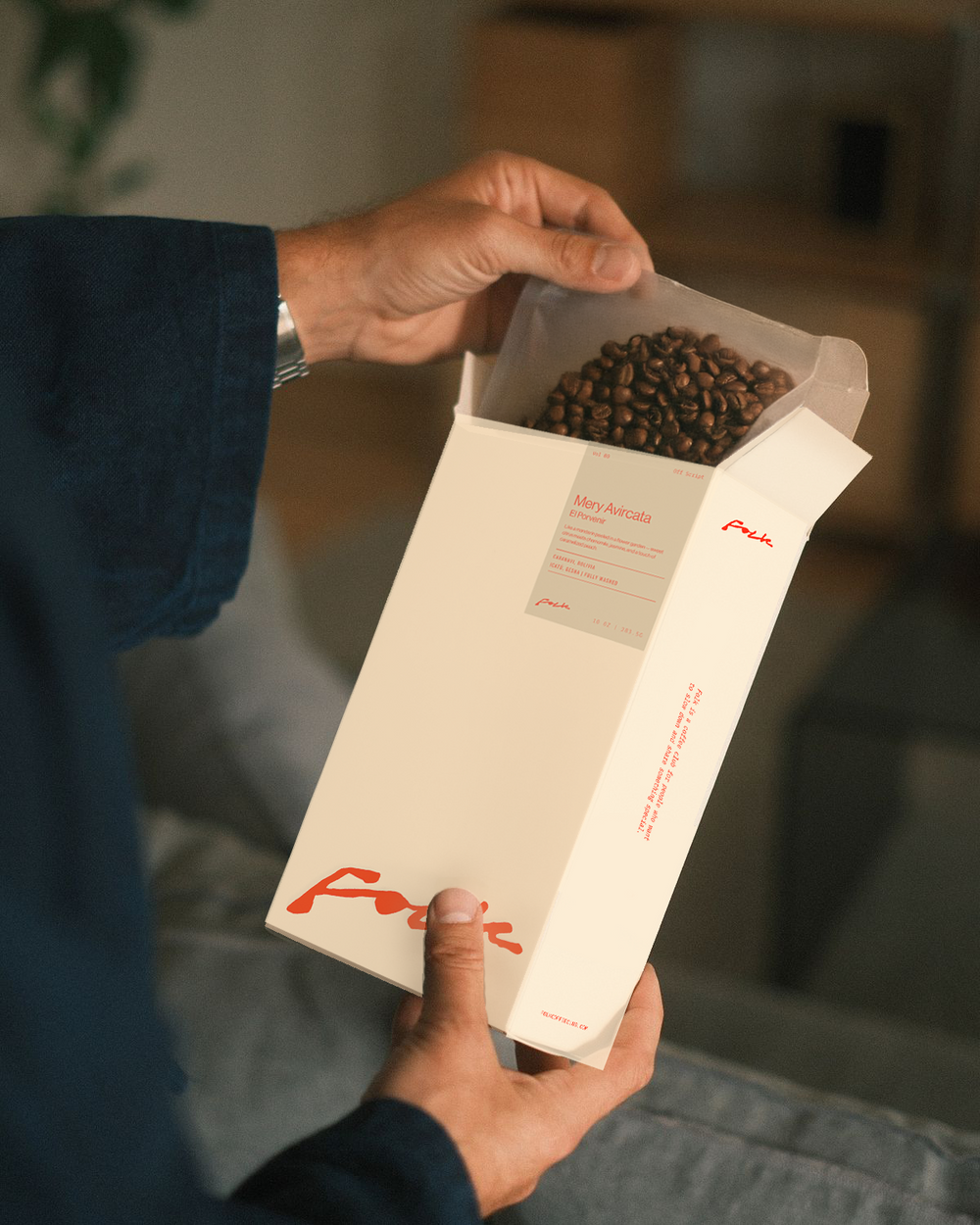
Mery Avircata / El Porvenir
- Citrus
- Floral
- Tropical
Like a mandarin peeled in a flower garden: sweet citrus meets chamomile, jasmine, and a touch of caramelized peach.
For a Natural process, the coffee dries inside the whole fruit, sometimes for weeks, as it slowly...
What began as the dream of Laetitia and Gaston Rutaganda (known locally as Mama and Papa B) has g...
This is the first time we’ve returned to a producer in the Folk series, and it’s intentional. At ...
Humberto Cortez has spent decades tending the slopes of La Plata, a quiet region tucked high in t...
Efren Echeverri is part of a new generation of Colombian producers who see post-harvest work as a...
In the northern hills of Burundi, narrow dirt paths wind between homes of red clay and groves of ...
In the high mountain region of Huehuetenango, Guatemala, Arcenio Castillo tends his farm with an ...
We’ve shared coffee from Aquiares before, and we’re glad to return. Folk is built around discover...

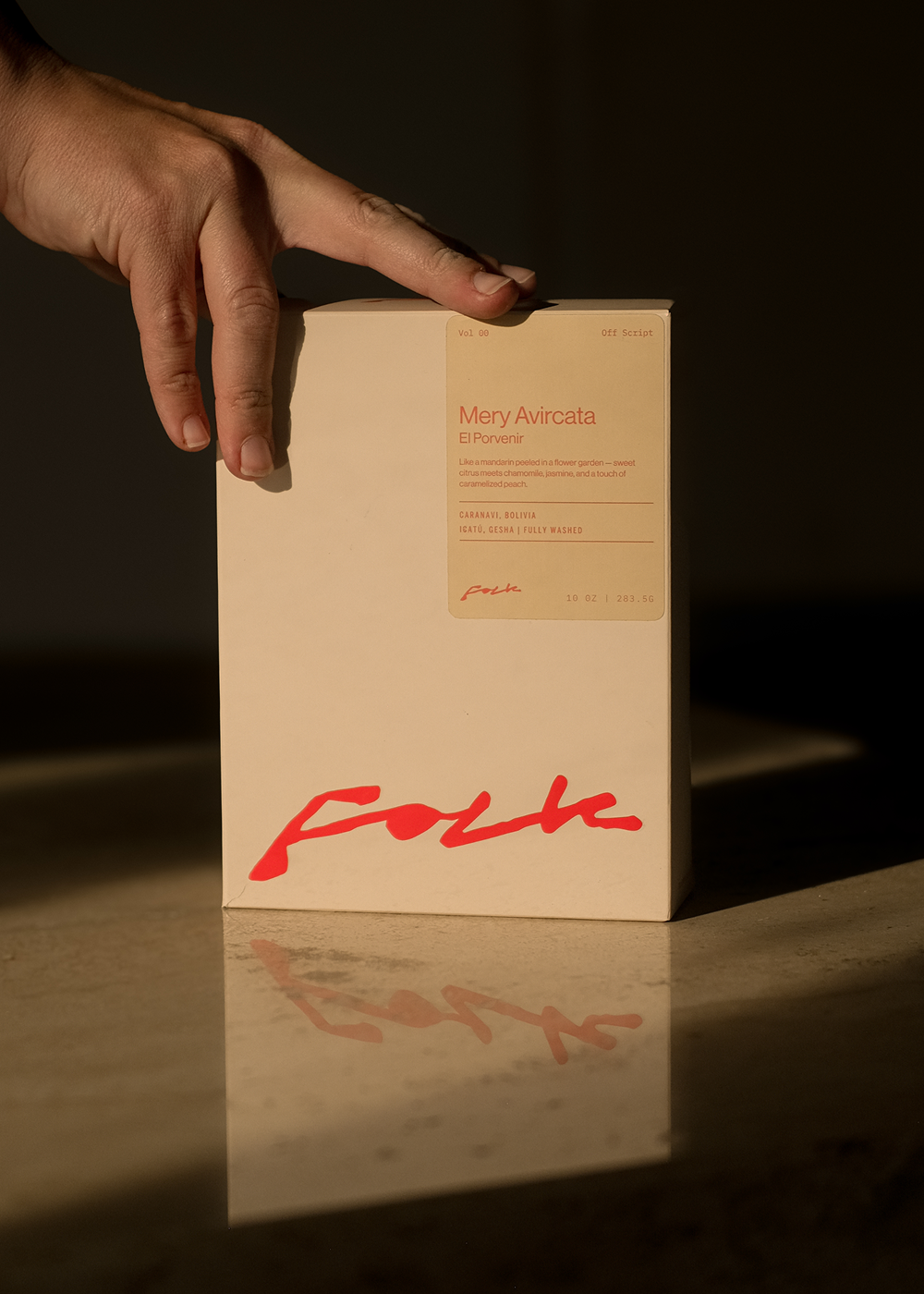
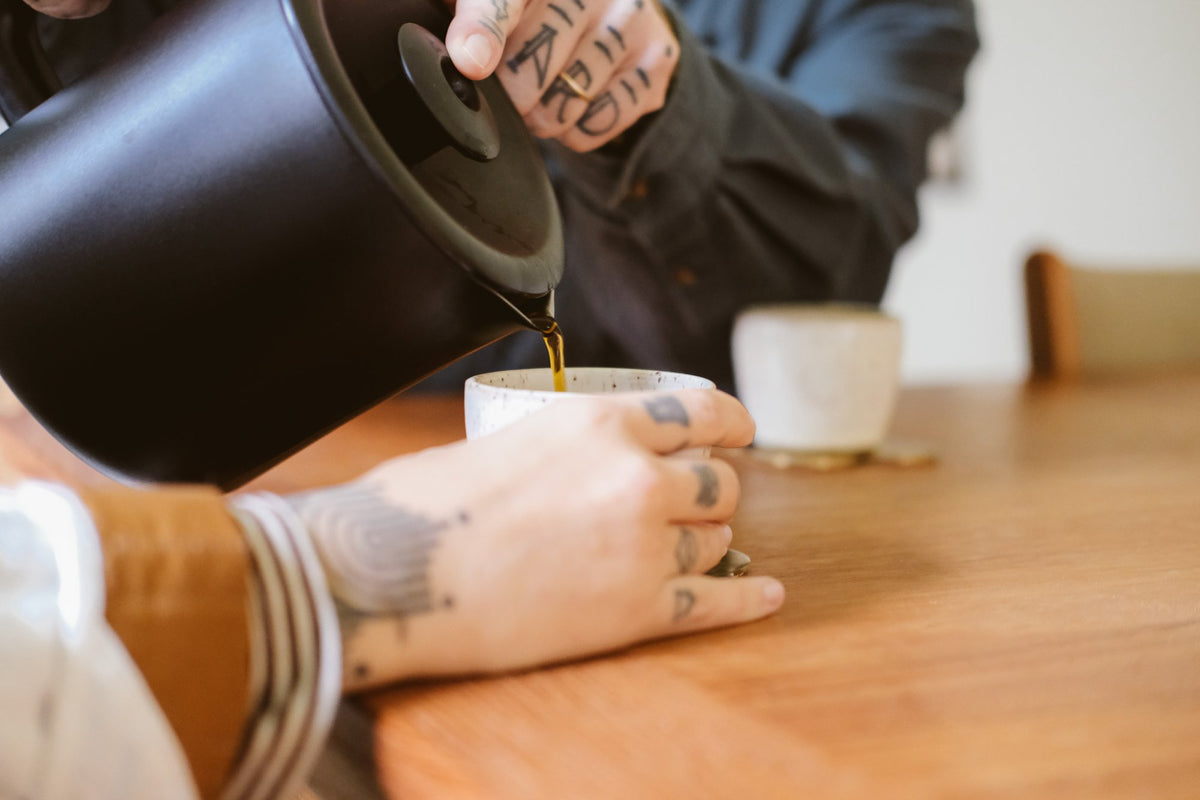
Volume 00: Off Script
Like a mandarin peeled in a flower garden: sweet citrus meets chamomile, jasmine, and a touch of caramelized peach.
Roasted in small batches. Like this one? The Club sends two new coffees every month.
Details
Like a mandarin peeled in a flower garden: sweet citrus meets chamomile, jasmine, and a touch of caramelized peach.
Tasting notes

Both coffees shine as pour-over and hold up well in a drip machine or French press.
Good for

One 10 oz box of whole bean coffee, roasted in small batches and shipped within 2 business days.
At a glance

Other Ways to Folk
Gift Folk
One month or three, sent to someone else
Send now or on a date you pick

Benefits
Every coffee is cupped and selected by a licensed Q Grader, and each one scores 86 points or higher.
We roast in small batches and ship within days, so the coffee arrives at its best.
Each Volume pairs two farms around one idea, with a playlist to go with it. It's a small ritual that changes every month.
Step 1
Grind just before you brew, medium-fine for pour-over.
Step 2
Use about 1 gram of coffee to 16 grams of water. 22 g to 350 g is a good cup.
Step 3
Water just off the boil. Pour slowly and evenly, about three minutes total.
Step 4
Let it cool a little. The fruit notes open up as it does.
How to Brew

Step 1
Grind just before you brew, medium-fine for pour-over.
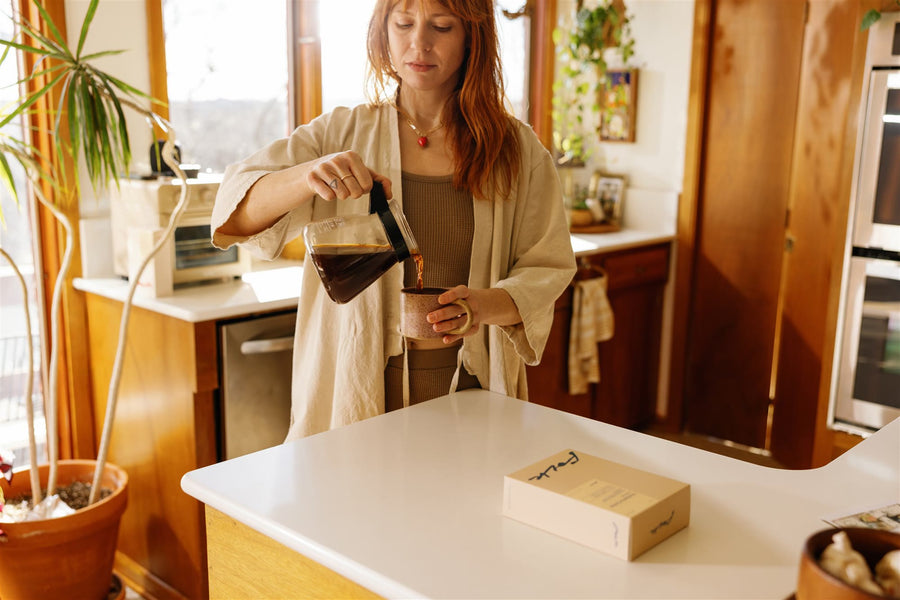
Step 2
Use about 1 gram of coffee to 16 grams of water. 22 g to 350 g is a good cup.
Step 3
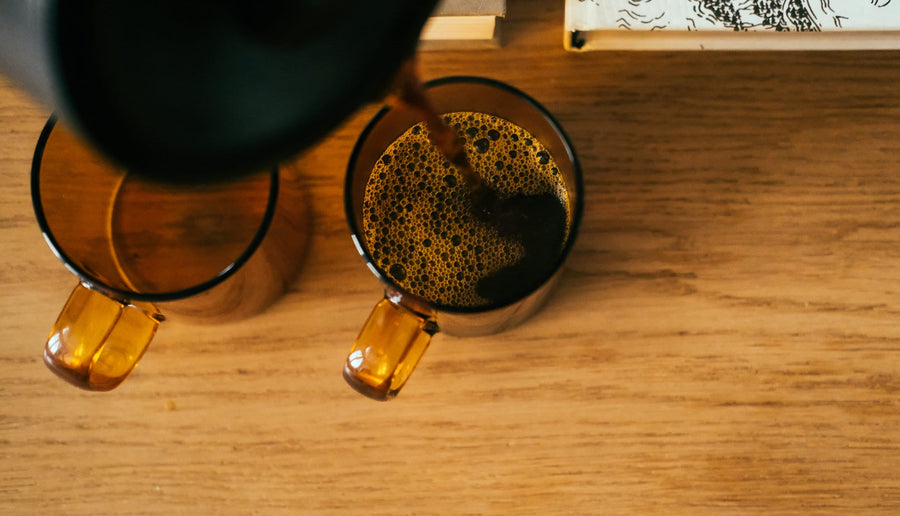
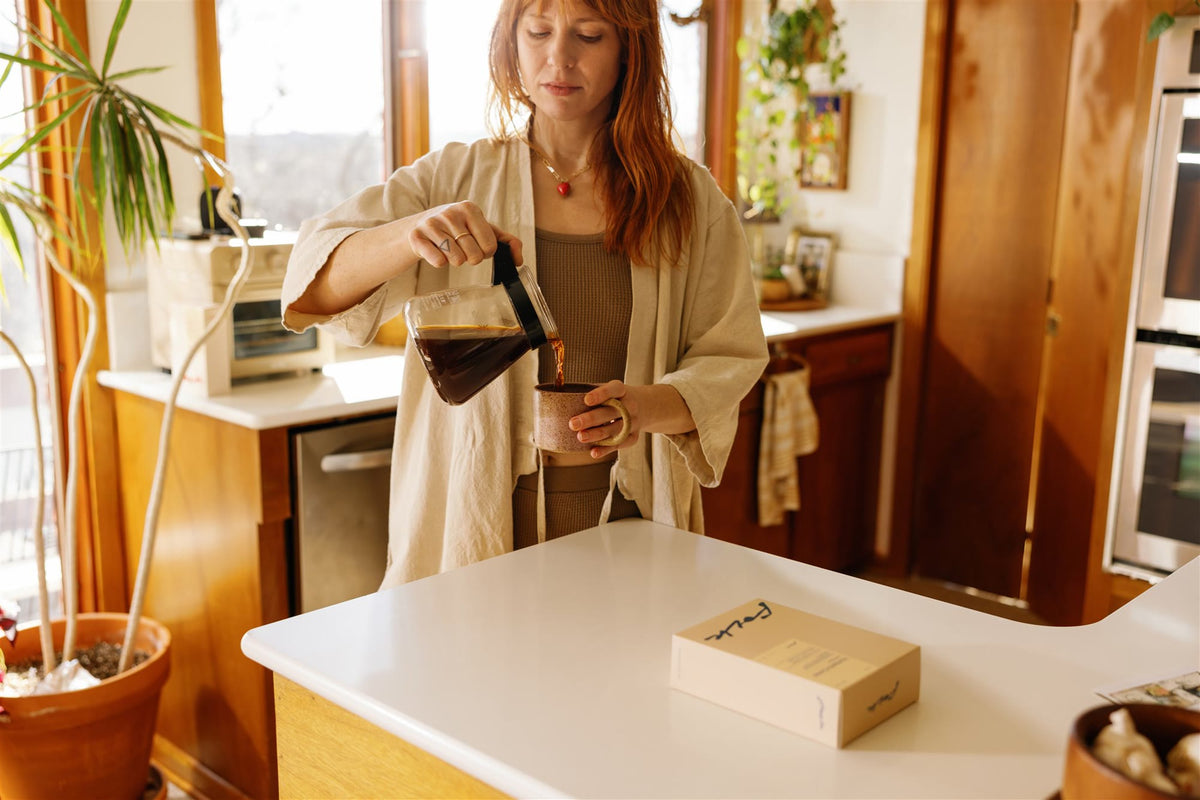
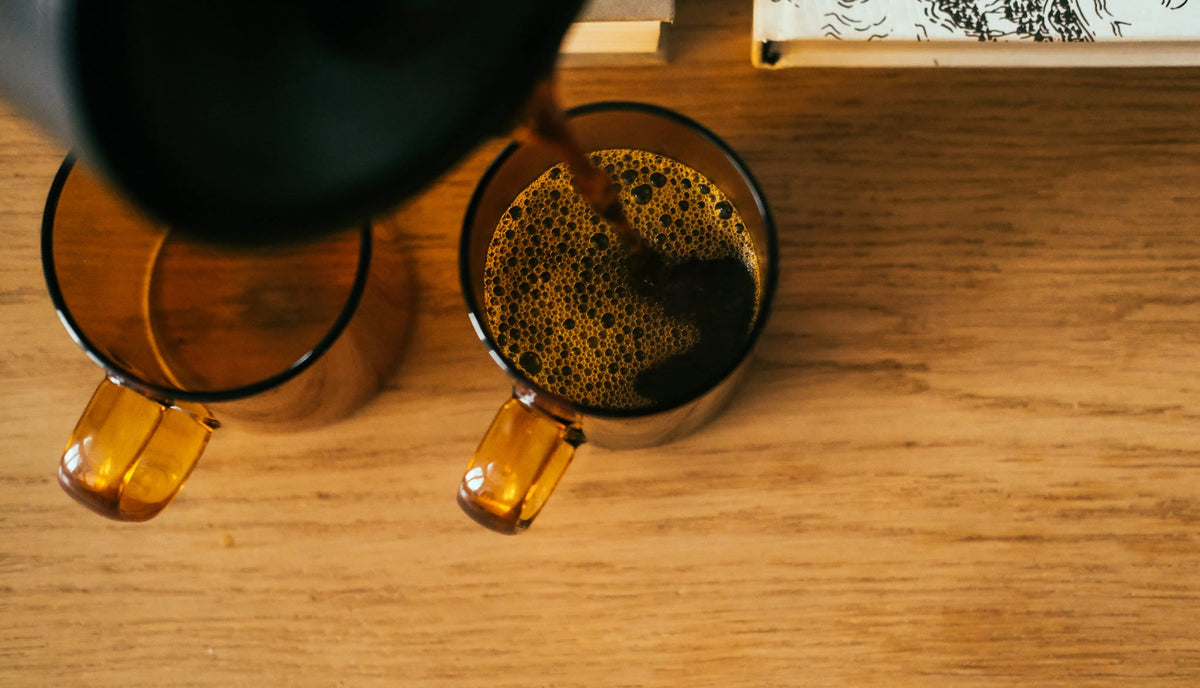
Water just off the boil. Pour slowly and evenly, about three minutes total.

Step 4
Let it cool a little. The fruit notes open up as it does.
How to Brew


Tucked into the steep green folds of Bolivia’s Caranavi region, Mery Avircata’s tiny two-hectare farm, El Porvenir (“the future”), looks almost hidden. A narrow mountain path leads to her modest wooden house, surrounded by cacao and coffee trees that seem to grow straight out of the clay-loam hillsides. Jaguars still roam these forests, and mist rolls through daily. It’s a place that feels both wild and watchful.
Mery is new to coffee, though not to cultivation. After years managing cacao production in the lower Amazon, she brought that same precision and patience upslope to Kantutani, where she planted her first Icatu and Gesha trees. Icatu, a hybrid known for its resilience and sweetness, forms the structure of the cup, while the Gesha adds lightness and floral complexity. The pairing is uncommon but deliberate, and a great example of how a thoughtful farmer can build balance directly into the landscape.
Her process mirrors that blend of control and curiosity. After hand-picking at full ripeness, she ferments the coffee in limited-oxygen bags for 24 hours, a semi-anaerobic approach that coaxes out clarity while keeping acidity soft. The result is a cup that feels composed but alive, the flavor shaped as much by careful intent as by the mountain air itself.
While Gesha is best known for its ethereal florals and honeyed clarity, Mery’s take shows a wilder side. The jasmine remains, but it’s joined by chamomile, lemon balm, and a soft caramel finish, all grounded by Bolivia’s jungle climate and her experimental process. It feels like Gesha seen through Bolivian forest light, proof that even the most celebrated variety still has room to surprise.
El Porvenir reminds us that excellence can emerge from the most unassuming places. In a landscape that still feels untamed, Mery’s work captures the balance between nature’s chance and human care, showing how “the future” can taste both familiar and entirely new.
At the farm:
Like a mandarin peeled in a flower garden: sweet citrus meets chamomile, jasmine, and a touch of caramelized peach.
Grown at 1650-1750 MASL, harvested October 2024.

Join the Club
Two rare coffees, every month
This month: Volume 10 · Making Room
Three Volumes, paid up front
The next three Volumes as they release
Save 15%

Gift Folk
One month or three, sent to someone else
Send now or on a date you pick

Join the Club
Reviews
★★★★★
My wife and I love Folk Coffee Club.
“Folk does intentionality right. The flow of art, music, stories and of course, coffee, is a thoughtful conversation. It's a great curated experience for any coffee lover.”
Chris Bidwell
Verified Buyer
★★★★★
Folk has been the best upgrade to our morning routine.
“The coffee beans are always top quality and it's so fun learning more about their origin. Folk adds a layer of thoughtfulness and detail to our coffee ritual and we anxiously await the next shipment each month.”
Alyssa Dulin
Verified Buyer
★★★★★
If you love coffee, what more could you want?
“Delicious coffee, sourced from around the world, by experts who care about the people who make it, with a story about how and why you're drinking it.”
Barrett Brooks
Verified Buyer
Thanks for your review. We read every one.
Two 10 oz boxes of single-origin coffee, whole bean, plus a themed playlist.
Each Volume is roasted in small batches and ships within 2 business days of your order.
Yes. You can manage your subscription any time from your account.
Shipping is free on all subscriptions. One-time orders show shipping at checkout.
Every Volume ships whole bean, so it stays fresh until you brew it.