

Origins
Ethiopia: Where coffee remembers its first morning

Walk into the highland forests of southern Ethiopia and you'll find coffee that nobody planted. It grows wild here, the way it has for longer than anyone can record, already complex and already itself. Long before the first tasting note or the first argument about brew ratios, the coffee tree was simply here, scattered across the mountains like it had always belonged.
That's what sets this origin apart. Every other coffee-growing country on earth traces its trees back to these forests, which still hold nearly all of the plant's genetic diversity. So when you brew an Ethiopian cup, you're tasting the source itself: the place coffee remembers as its first morning.
The story of place
Before the regions and the flavor notes, picture the land itself. Ethiopia's coffee grows high, often between 1,500 and 2,200 meters, where the air is cool and thin and the mornings come slowly. At those elevations, cherries ripen at an unhurried pace, taking their time to pull sweetness and complexity into each bean. The soil is volcanic and deep, the trees grow in dappled shade among other crops, and much of it is still tended by hand on small family plots. It's closer to gardening than to farming, which is exactly why so much of it is called garden coffee.
What makes Ethiopia singular, though, isn't just altitude or soil. It's diversity. Ethiopia is home to thousands of indigenous coffee varieties, so many that most don't even have formal names. The trade simply calls them heirloom, a quiet word for an almost unbelievable richness. This is the genetic library every other origin borrowed from, and it's the real reason a cup from here can taste like flowers, citrus, and ripe berries all at once.
A few regions carry that diversity into your cup more famously than the rest:
Yirgacheffe is the crown jewel: a small, high area in the south whose name has become shorthand among roasters for a certain kind of elegance. Clean, floral, almost tea-like, all jasmine and lemon and bergamot. If you've ever tasted a coffee that made you set the cup down and ask what on earth you were drinking, there's a good chance it was a Yirgacheffe.
Sidama is the broad, generous highland region that surrounds Yirgacheffe (which technically sits inside it). Sidama tends toward bright and fruity with a touch more body, leaning into berry and gentle citrus.
Guji was once folded into Sidama and is now very much its own name. It has earned the spotlight for big, juicy, fruit-forward coffees that shift dramatically depending on how they're processed: stone fruit one way, jasmine and candied lemon the other.
Patience isn't a virtue here. It's the altitude.
Close your eyes and the land shows up in the cup: the cool mountain air in the brightness, the shade-grown slowness in the sweetness, the wild forest in flavors that don't behave like any other coffee on earth.
The story of craft
For all its thousands of varieties, Ethiopia has built its reputation on just two ways of handling the cherry after picking: washed and natural. No honey lots by the truckload, no wall of experimental ferments. Two time-worn methods, refined over generations, each one pulling something different out of the same remarkable fruit. And once you taste them side by side, you understand why this place never needed more.
The first is washed (or wet) processing. The fruit is removed soon after harvest, the beans are fermented and rinsed clean, then dried. Stripping away the fruit early gives you clarity: a bright, clean, floral cup where the bean's delicate character sings without distraction. This is the style that built Yirgacheffe's reputation, and it's still where many of Ethiopia's highest-scoring coffees come from.
The second is natural (or dry) processing, the oldest method there is. The whole cherry dries in the sun, fruit still wrapped around the bean, and over days of careful turning the sugars soak inward. The result is wild and fruit-forward, all blueberry, strawberry, and a red-wine richness. It's also harder than it looks. In wetter regions like Sidama and Guji, producers turn the cherries constantly and watch the drying beds like hawks to keep the fruit clean rather than muddy. That patience is the craft.
What we love is the discovery in it. A washed Guji and a natural Guji can come from the same farm and taste like cousins who took very different paths in life. And lately a younger generation of producers, especially around Guji, has begun experimenting with honey processing and anaerobic fermentation, nudging the cup somewhere new while keeping faith with what makes the place special.
One more thing worth knowing: Ethiopian coffee has become far easier to trace back to its source than it used to be. A series of reforms beginning in 2017 made it possible to follow specialty lots all the way back to the washing station they came from, so the name on the bag now carries more meaning than it did a decade ago. For a coffee this special, knowing exactly where it came from is part of the pleasure.
The story of flavor
Ethiopian coffee is the cup that rewires what people think coffee can taste like. Forget the heavy, bitter diner cup. This is bright, aromatic, and alive with fruit and flowers. A washed Yirgacheffe leans clean and elegant, with jasmine, lemon, and a tea-like lightness. A natural Sidama or Guji goes the other direction entirely, bursting with ripe berry and a sweetness so vivid it almost feels like a dessert wine.
The best part is that you don't need a trained palate to notice it. These flavors arrive loud and generous, the kind you catch on the first sip without straining for them. All you have to do is slow down enough to listen.
Try this: Brew a natural-processed Ethiopian as a pour-over with water just off the boil, and don't rush it. Take your first sip while it's hot, then let the cup sit and cool for ten minutes. As the temperature drops, the fruit opens up, and what started as bright berry can bloom into something jammy and almost tropical. Same coffee, two experiences, a few minutes apart. That's the whole magic of this origin in one cup.
If you're newer to all this, a washed Yirgacheffe is the gentlest, loveliest door in. If you already love fruit-forward coffee, a natural Guji will reward you every time.
What Ethiopia teaches
Every other coffee in the world is, in a sense, a descendant. Ethiopia is the ancestor, the place that didn't engineer great coffee so much as receive it, growing wild, and then spend centuries learning to share it. The daily coffee ceremony, unhurried and communal, says it plainly: this was never meant to be rushed, and it was never meant to be drunk alone.
Ethiopian coffee is featured in
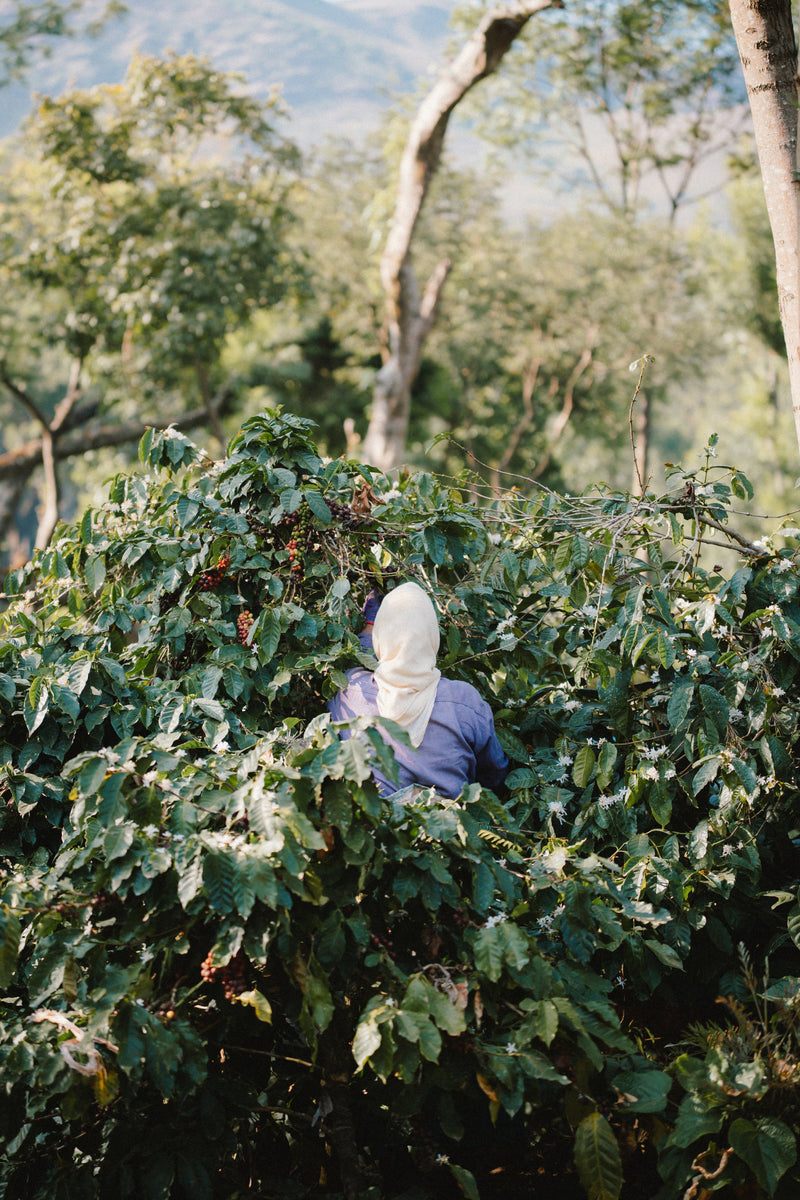
Women in coffee: The history, the gap, and the Burundi women closing it
In Burundi's northern hills, a coffee harvest has traditionally ended the same way. Women pick the cherries, sort them, and...
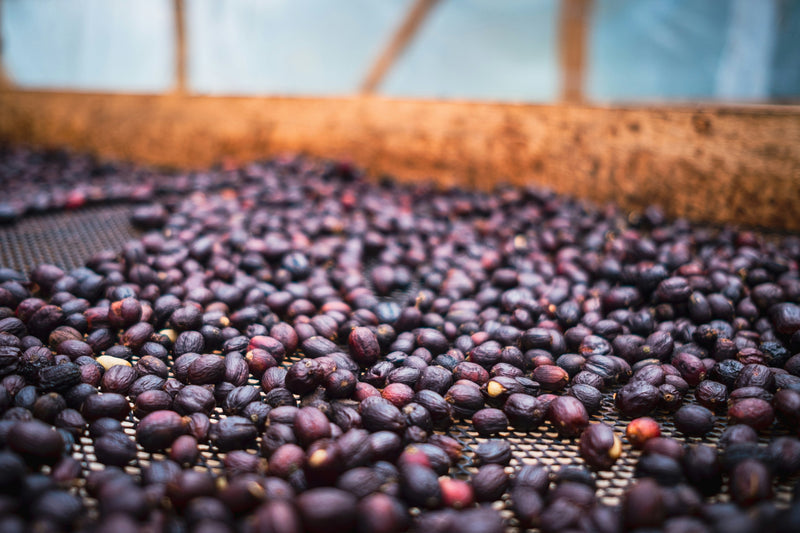
Natural process coffee: why some coffees taste like fruit
The first sip is the giveaway. Maybe it’s blueberry, or black cherry, or something closer to strawberry jam than anything...
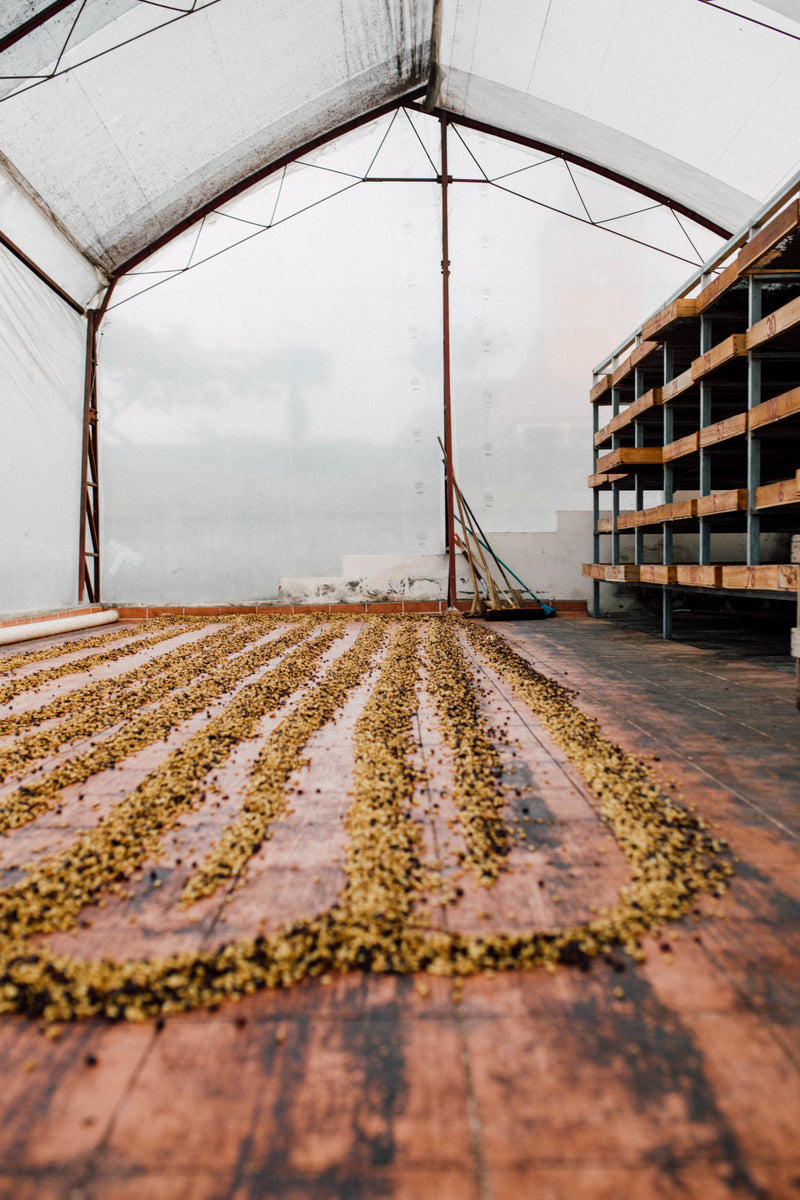
Honey processed coffee: the sweet spot between washed and natural
Read the label on a bag of "red honey" or "black honey" coffee for the first time and it's a...