

Origins
Washed, natural, or honey? The three coffee processing methods, compared

Pick up two bags from the same farm, the same variety, the same harvest, and they can taste like completely different drinks. The reason usually isn't the farm itself. It's what happened in the few days after the cherries were picked. That step is called processing, and the three you'll see most often are washed, natural, and honey.
Processing is what happens to a coffee cherry after harvest and before roasting, and it shapes the flavor as much as the farm does. Washed coffees taste clean and bright. Natural coffees taste fruity and bold. Honey coffees sit in the middle, sweet and round. Same bean, three different cups.
Once you can taste the difference, you start choosing coffee with a lot more confidence. Here's how each method works and what it does to your cup.
The three methods, in one minute
- Washed (also called wet): the fruit's removed from the bean before drying. Result: clean, structured, the origin shows clearly.
- Natural (also called dry): the whole cherry dries around the bean, fruit and all. Result: fruity, heavy, bold.
- Honey (also called pulped natural): the skin's removed but the sticky fruit layer is left on to dry. Result: sweet, round, between the other two.
That's the whole map. Now the detail.
Washed: clean and clear
In washed processing, the cherry's skin and fruit are stripped off within hours of picking, usually by a machine called a de-pulper. The beans then ferment in water or tanks to break down the last sticky layer, get rinsed clean, and dry on patios or raised beds.
Because the fruit comes off early, it can't pass its sugars into the bean during drying. What you taste instead is the bean itself: bright acidity, a clean finish, and a clear view of the origin. Washed coffees are where terroir shows up most honestly, which is why they dominate competitions and specialty menus. If a farmer wants you to taste exactly what their land in Huila or Huehuetenango can do, they usually wash it.
We go deeper on this in our guide to washed processing.
Natural: fruity and bold
Natural processing is the oldest method and, in some ways, the hardest to do well. The whole cherry's laid out to dry with the bean still inside, sometimes for weeks. As it slowly loses moisture, the fruit's sugars and acids migrate into the bean.
Done right, the result is unmistakable: big, jammy fruit, a heavier body, and a sweetness that reads almost like dried berries or wine. Done carelessly, naturals can taste boozy or muddled, because all that fruit sitting on the bean is a fermentation risk. It takes constant turning and attention. When a producer nails it, a natural is the boldest expression, most expressive cup on the table.
Honey: the middle path
Honey processing splits the difference. The skin's removed like a washed coffee, but some of the sticky fruit layer, called mucilage, is left on the bean as it dries. That layer holds sugar, so the cup gains sweetness and weight while keeping more structure than a full natural.
The name "honey" refers to that sticky mucilage, not the flavor, no bees involved. You'll also see white, yellow, red, and black honey, which describe how much fruit was left on and how long it dried: the more mucilage and the slower the dry, the darker the label and the bigger the sweetness. A red honey, for instance, stays clear and structured while adding real roundness. The Costa Rica lot from Aquiares Estate in Volume 06: Good Work comes as both a Red Honey and a Natural, the same farm and variety processed two ways, which is about the clearest side-by-side you can get.
Side by side: how to choose
| Method | What happens after picking | How it tastes | Body | Best for |
|---|---|---|---|---|
| Washed | Fruit removed before drying | Clean, bright, clear acidity | Lighter | Tasting the origin; pour-over |
| Natural | Whole cherry dried around the bean | Fruity, jammy, bold | Heavier | Big fruit lovers; a wow cup |
| Honey | Skin off, fruit layer left on to dry | Sweet, round, balanced | Medium | A bridge between the two |
There's no "best" method, only what you're in the mood for. A clean washed Ethiopian and a jammy natural from the same country are both excellent, and completely different experiences.
How to taste the difference
The easiest experiment: brew a washed and a natural the same way, side by side, and let both cool a few minutes. Notice where the flavor lives.
- The washed cup feels clearer and brighter, with acidity up front and a clean finish.
- The natural feels rounder and fruitier, with a heavier body that coats your mouth.
- A honey lands between them: sweeter than washed, more structured than natural.
You don't need to be precise. Just notice which one feels "cleaner" and which feels "fruitier." That contrast is processing, in your own mouth.
Common misconceptions
"Honey processed coffee has honey in it." It doesn't. Honey refers to the sticky mucilage left on the bean, which happens to look and feel like honey.
"Natural means organic or unprocessed." Nope. Natural is a processing method, sometimes called the dry process. All coffee is processed; "natural" just means the fruit dried on the bean.
"Washed is always the highest quality." Not true. Specialty-grade coffee exists in all three methods. Quality comes from the farm and the care, not the method. We score every lot 86 or higher on the SCA scale, however it was processed.
"Anaerobic is a fourth type." Not quite. Anaerobic is a fermentation technique (fermenting with little or no oxygen, often in sealed tanks) that can be layered into any of these methods. We cover it in our anaerobic processing guide.
What this means for your cup
Processing is one of the most powerful, and most overlooked, reasons two coffees taste different. Once you can name washed, natural, and honey, you stop ordering blind and start choosing the cup you actually want.
Every Folk Volume is two single-origin coffees, hand-selected by a licensed Q Grader and shipped with notes on exactly how each was processed, so you can taste these differences for yourself. The current Volume makes it almost too easy: one farm, one variety, a Red Honey and a Natural, side by side.
Taste the difference with this month's Volume, or explore past coffees across all three methods in the Volume Library. Your taste buds, your rules.
Sean Stewart is the Founder and Curator at Folk Coffee Club.
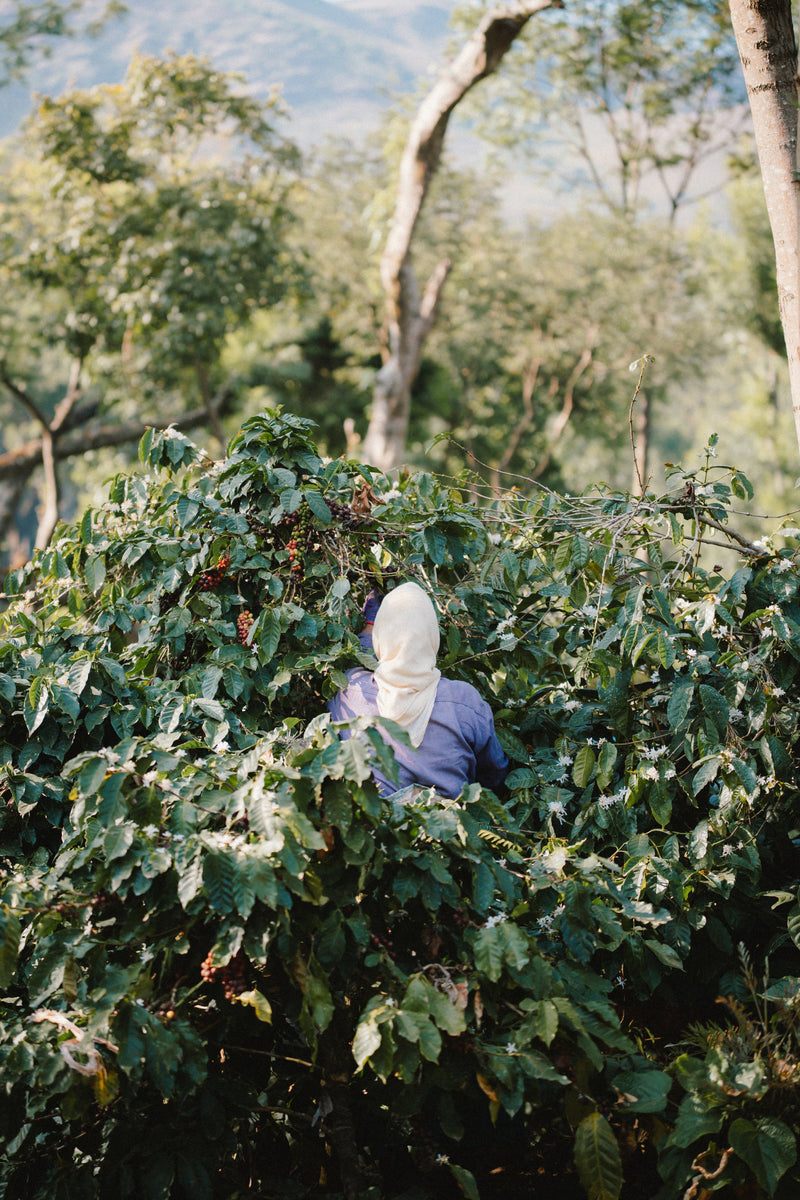
Women in coffee: The history, the gap, and the Burundi women closing it
In Burundi's northern hills, a coffee harvest has traditionally ended the same way. Women pick the cherries, sort them, and...
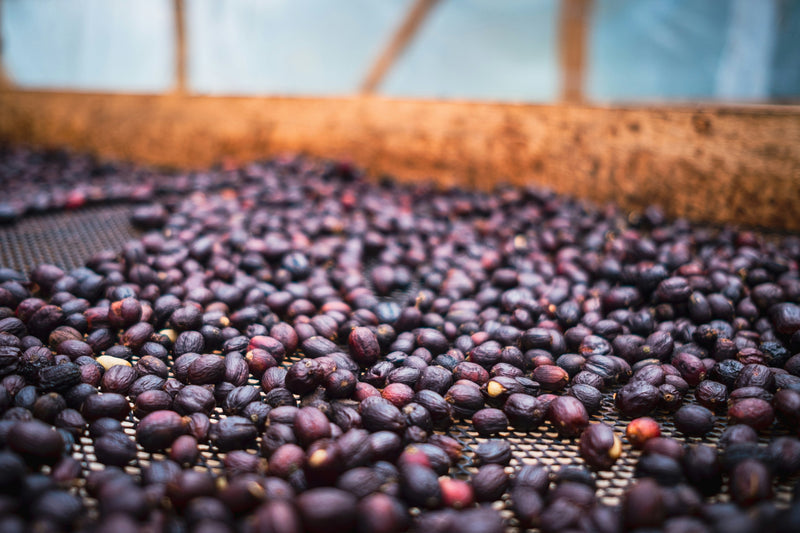
Natural process coffee: why some coffees taste like fruit
The first sip is the giveaway. Maybe it’s blueberry, or black cherry, or something closer to strawberry jam than anything...
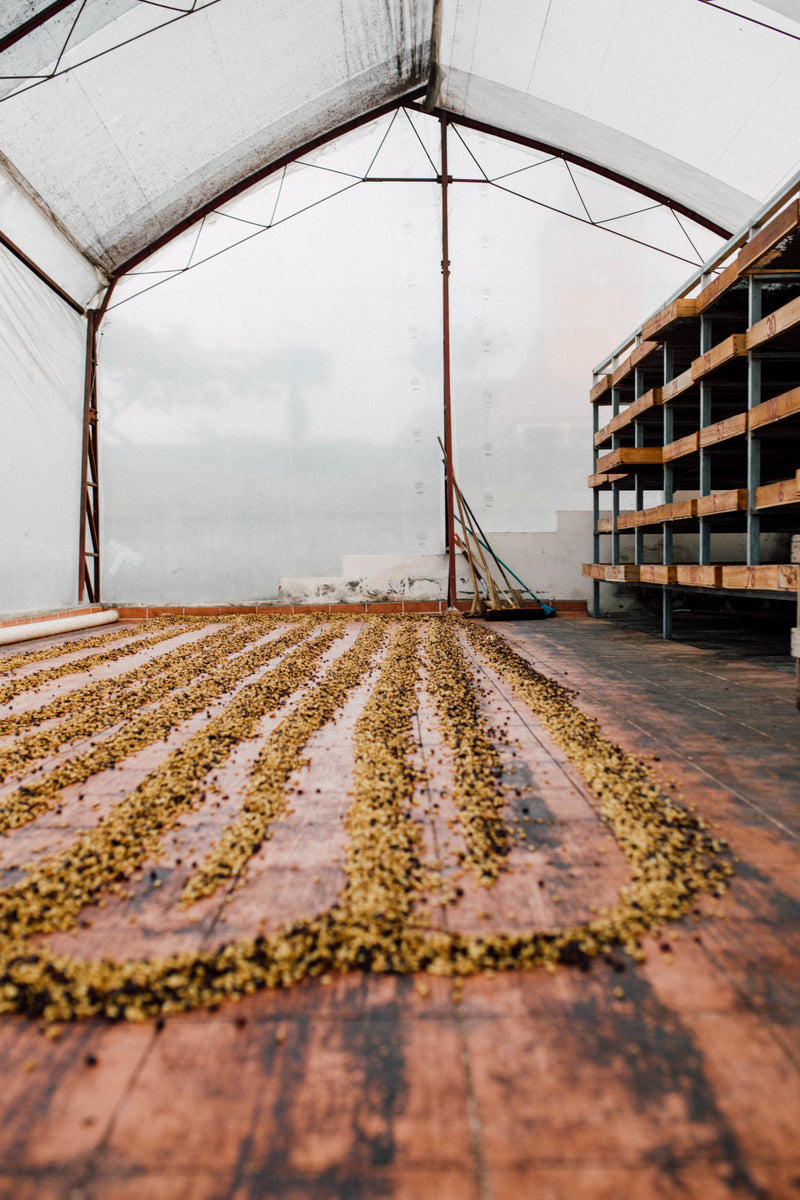
Honey processed coffee: the sweet spot between washed and natural
Read the label on a bag of "red honey" or "black honey" coffee for the first time and it's a...