

Origins
Honey processed coffee: the sweet spot between washed and natural

Read the label on a bag of "red honey" or "black honey" coffee for the first time and it's a fair assumption: this is going to taste like honey. Sweet, floral, maybe a little sticky on the way down.
But it doesn't. There's no honey anywhere near it, and no bees were involved at any point in the process. What you're actually looking at is one of the more interesting decisions a coffee farmer makes after harvest, and it has almost nothing to do with the word on the label.
Honey processed coffee is a method that sits between washed and natural processing. After the cherry's skin is removed, a sticky layer of fruit called mucilage is left on the seed as it dries, instead of being rinsed away. That layer doesn't add honey flavor. It changes how the coffee ferments and dries, which shapes the sweetness, body, and acidity in your cup. The more mucilage left on and the slower the dry, the fuller and sweeter the coffee tends to get.
That's the short version. Here's what's happening on the drying patio, why it's called "honey" in the first place, and how to taste the difference for yourself.

Why it's called "honey" (and why the name is a little misleading)
You know that coffee starts as a fruit. Once the cherry is picked, the seed inside has to be separated from that fruit and dried before it can be roasted, and the choices a farmer makes during that step are called processing.
In washed processing, the fruit comes off almost immediately, and the seed dries clean. In natural processing, the whole cherry dries around the seed, fruit and all. Honey process is the method in between: the outer skin is removed like a washed coffee, but the sticky layer directly underneath, called mucilage, gets left on the seed instead of rinsed off.
If you want the fuller comparison, including how each method actually tastes side by side, we've written a whole guide to washed, natural, and honey processing.
In Spanish, that layer is called miel. Honey. The name comes from what the mucilage looks like on the drying patio, glossy and amber, not from anything you'll taste in the cup. So when a coffee is labeled "honey process," it's describing a step in the seed's journey from cherry to bag, not an ingredient.
Where honey process came from: a water shortage that changed specialty coffee
Honey processing is not an old tradition. It is, by coffee standards, a fairly recent invention, and the origin story is worth knowing because it explains why the method exists at all.
In 2008, an earthquake in Costa Rica disrupted the country's water supply during harvest season, right when producers needed it most for washed processing, which is a genuinely water-intensive method. Oscar and Francisca Chacón, who run the Las Lajas micromill, found themselves without enough water to process their coffee the way they always had. Looking for another option, they turned to dry-processing regions like Brazil and Ethiopia for ideas and started experimenting with a method that used far less water: pulling the skin off but leaving the mucilage on.
The first lots were a hard sell. Buyers who were used to clean, washed Costa Rican coffee called the early honey lots unclean and a little wild. But the producers who kept refining it started turning out cups with a sweetness and body nobody had tasted from that region before, and the method spread fast. Within a few years, farms across Guatemala, El Salvador, Nicaragua, Mexico, and beyond had adapted their own versions of it, each shaped by their own climate and drying setup.
It's a good reminder that some of the best ideas in coffee show up not because someone was chasing flavor for its own sake, but because a farmer was solving a real, practical problem and happened to stumble onto something better.
The four shades of honey process
Here's the part that tends to trip people up: honey process isn't one setting. It's a spectrum, and producers have given each point on it a color, from a light touch to the deep end.
Think of it the way you'd think about steeping tea. A quick dunk of the bag stays pale and mild. Leave it in longer and the flavor deepens, gets fuller, a little more intense. It’s that same logic here, except the tea bag is a layer of fruit, and the steeping happens over days instead of minutes.

There's no official rulebook here, and that's worth being honest about. What one farm calls red, another might call black, because the exact percentages depend on infrastructure and local convention as much as anything standardized. But the underlying pattern holds everywhere: more mucilage left on the seed means more sugar available during drying, which is where the added sweetness comes from.
That tradeoff is risk. Every extra day on the patio is another day mold, uneven fermentation, or a sudden rainstorm can undo weeks of careful work, and it means hours more hand-raking for whoever is managing the beds. Black honey, the deepest and sweetest shade, is also the one fewest producers attempt for exactly that reason.
What honey process coffee tastes like
Sweetness is the throughline, but it shows up differently depending on the shade and the farm. Expect more body than a washed coffee (a fuller, sometimes almost syrupy weight on the tongue), a rounder acidity that feels less sharp, and flavor notes that lean toward stone fruit, dried fruit, brown sugar, or caramel rather than the citrus brightness typical of washed coffee.
Two coffees from the same region can land in completely different places depending on how the honey process was handled. Sean Stewart, Folk's founder and a licensed Q Grader, put it this way while describing Volume 09: Sweet Spot, which pairs a red honey from Costa Rica with a red honey from El Salvador: "Together, they show how processing can shape flavor without erasing where a coffee comes from."
- Aquiares Estate in Costa Rica, farmed by Diego Robelo: Tastes like strawberry-rhubarb pie, guava paste in a buttery crust, and a clean, candy-like sweetness at the finish.
- Los Pirineos in El Salvador, farmed by Diego Baraona: Tastes like a peach tea cookie, dusted with powdered sugar, with a drizzle of lemon and orange blossom honey.
The same process and honey color designation still led to two completely different coffees.
How to brew it (and what to notice while you do)
Honey processed coffee rewards a brew method that keeps its texture intact instead of stripping it away. A steep-and-release brewer with a paper filter, like a Pulsar or Clever dripper works especially well. The paper keeps the cup clean and clear, while full immersion lets the syrupy body that honey processing builds actually come through. A metal filter or French press lets through more oils, which can flatten the acidity and mute the layered sweetness you're trying to taste.
A simple starting point:
- Use a 1:16 coffee-to-water ratio (ex: 30 grams of coffee to 480 grams of water).
- Bloom with twice the coffee weight in water (60 grams for 30 grams of coffee), and wait until the bubbling settles.
- Add the rest of the water, steep for about three minutes, then release.
Once it's in the cup, let it cool for a minute before your first sip. Honey processed coffees open up as they drop below scalding, when the fruit notes and the balance between sweetness and acidity become much easier to pick out. And notice the body before you try to name any specific flavor. That weight on your tongue, fuller than a washed coffee but more structured than a natural, is the mucilage doing its work.
Honey processed coffee, answered
Does honey processed coffee taste like honey?
No. The name describes the sticky, honey-colored layer of fruit left on the seed while it dries, not the flavor in your cup. What that layer actually adds is sweetness, body, and texture, not a honey taste.
What's the difference between honey process and natural process?
Natural process leaves the whole cherry, skin and all, on the seed while it dries. Honey process removes the skin first and leaves only the sticky mucilage underneath. Naturals tend to be heavier and more fruit-forward while honey-processed coffees are usually sweeter and rounder than a washed coffee, but more structured and cleaner than a natural.
Does honey processed coffee actually contain honey?
No. No bees, no beekeeping, and no honey are involved anywhere in the process. The word refers to mucilage, the sticky fruit layer under a coffee cherry's skin, which happens to look a little like honey while it dries.
Which shade of honey process is sweetest?
Black honey since it keeps the most mucilage on the seed for the longest drying time. But it's also the riskiest and most labor-intensive to pull off well, which is why it's the rarest of the four shades on shelves.
Is honey processed coffee better than washed coffee?
Neither is objectively better. Washed coffee shows a farm's terroir with the most clarity. Honey process trades a little of that clarity for more sweetness and body. Which one you prefer usually comes down to whether you're chasing brightness or roundness in your cup that day.
Where does honey processed coffee come from?
Costa Rica, where the method was developed in 2008 out of a water shortage. It has since spread across Central America, including El Salvador, Guatemala, Nicaragua, and Mexico, along with pockets of Brazil and beyond, each region adapting it to their own climate and infrastructure.
Honey processed coffee is featured in
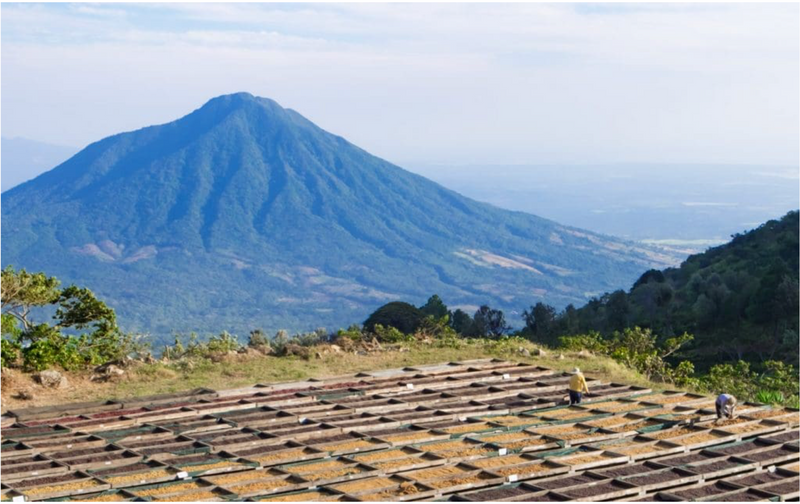
El Salvador: The origin that bred its own varietals
El Salvador's coffee story restarts in 2002, with a homecoming. Aida Batlle was 28 when she came back to take...
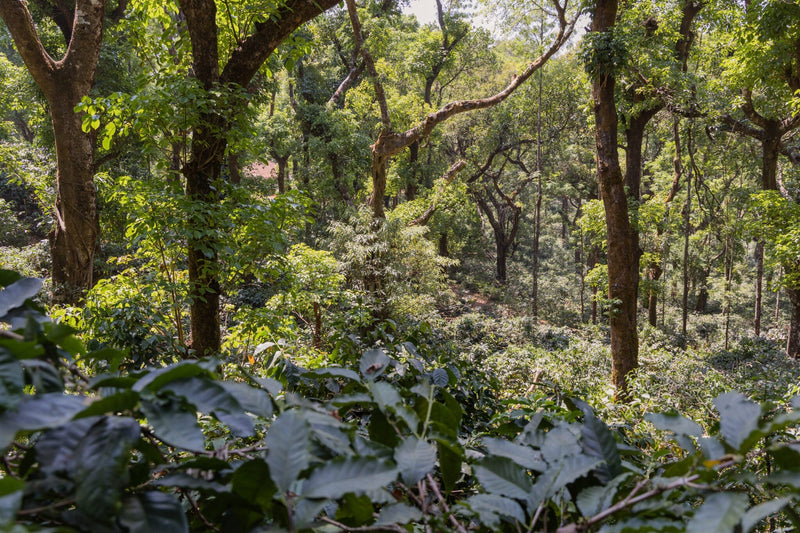
India: Where coffee began as an act of rebellion
India's coffee origin starts with a smuggler. Sometime in the 1600s, a Sufi saint named Baba Budan made the pilgrimage...
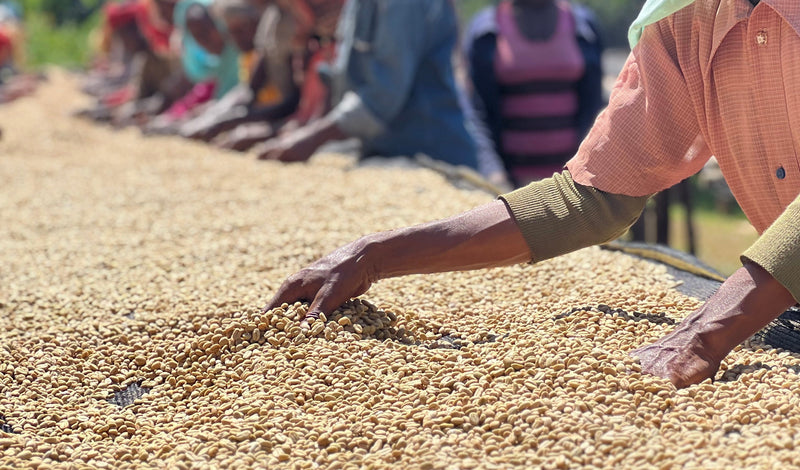
What is single-origin coffee? One farm, one cup, explained
Most coffee you've had in your life was a blend. Beans from a dozen farms, sometimes a dozen countries, roasted...