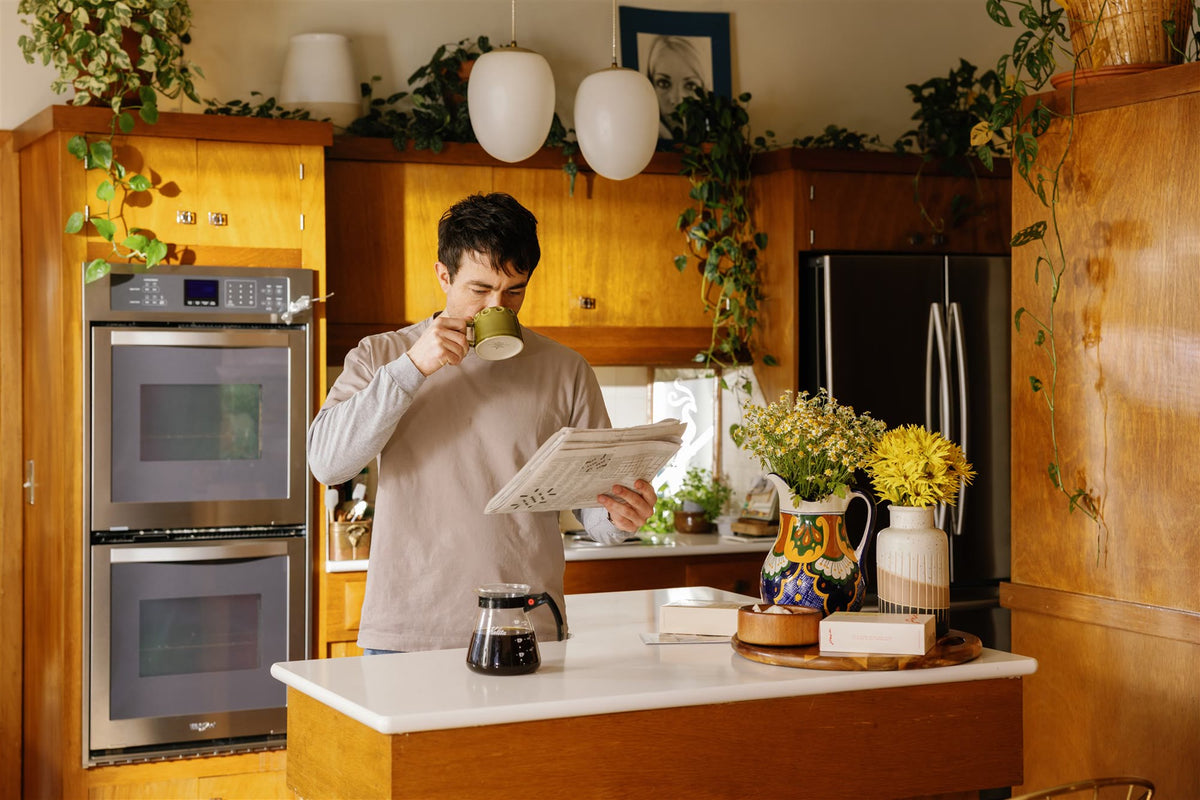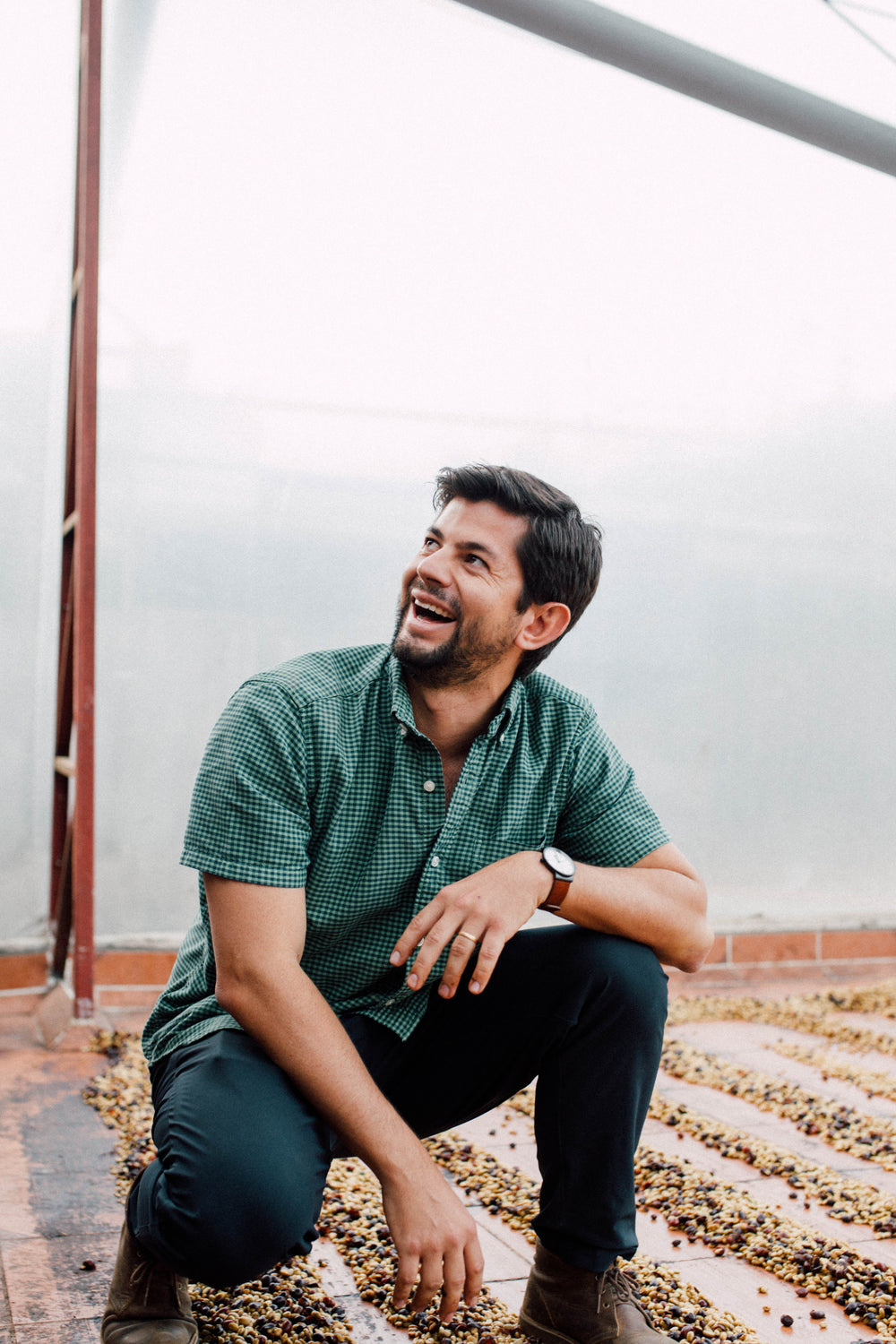
Diego Robelo
- Berry
- Baked / Pastry
- Caramel / Sugar
Like strawberry-rhubarb pie or guava paste in a buttery crust, and a clear candy sweetness at the edge.
For a Natural process, the coffee dries inside the whole fruit, sometimes for weeks, as it slowly...
What began as the dream of Laetitia and Gaston Rutaganda (known locally as Mama and Papa B) has g...
This is the first time we’ve returned to a producer in the Folk series, and it’s intentional. At ...
Humberto Cortez has spent decades tending the slopes of La Plata, a quiet region tucked high in t...
Efren Echeverri is part of a new generation of Colombian producers who see post-harvest work as a...
In the northern hills of Burundi, narrow dirt paths wind between homes of red clay and groves of ...
In the high mountain region of Huehuetenango, Guatemala, Arcenio Castillo tends his farm with an ...
We’ve shared coffee from Aquiares before, and we’re glad to return. Folk is built around discover...

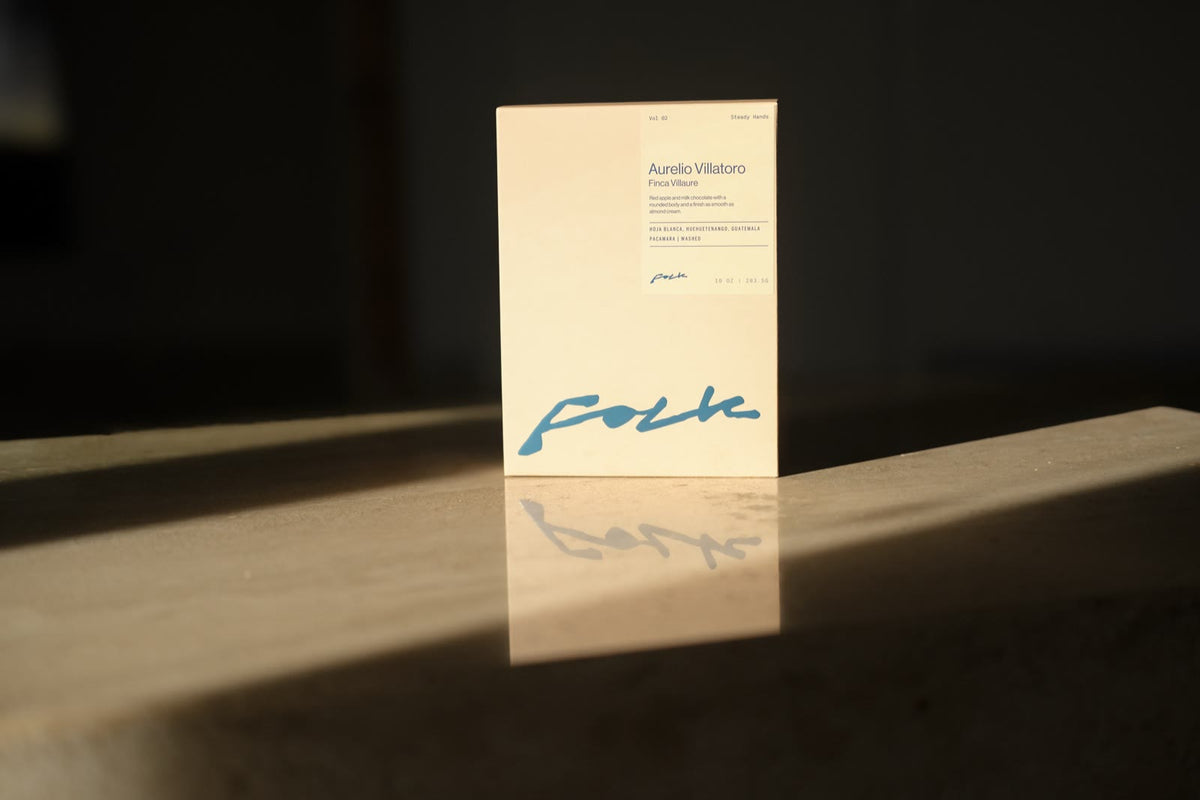
Volume 09: Sweet Spot
We’ve shared coffee from Aquiares before, and we’re glad to return. Folk is built around discovery, but also around staying close to producers whose work keeps giving us new ways in. At...
Roasted in small batches. Like this one? The Club sends two new coffees every month.
Details
Like strawberry-rhubarb pie or guava paste in a buttery crust, and a clear candy sweetness at the edge.
Tasting notes

Both coffees shine as pour-over and hold up well in a drip machine or French press.
Good for

One 10 oz box of whole bean coffee, roasted in small batches and shipped within 2 business days.
At a glance
Other Ways to Folk
Gift Folk
One month or three, sent to someone else
Send now or on a date you pick

Benefits
Every coffee is cupped and selected by a licensed Q Grader, and each one scores 86 points or higher.
We roast in small batches and ship within days, so the coffee arrives at its best.
Each Volume pairs two farms around one idea, with a playlist to go with it. It's a small ritual that changes every month.
Step 1
Grind just before you brew, medium-fine for pour-over.
Step 2
Use about 1 gram of coffee to 16 grams of water. 22 g to 350 g is a good cup.
Step 3
Water just off the boil. Pour slowly and evenly, about three minutes total.
Step 4
Let it cool a little. The fruit notes open up as it does.
How to Brew
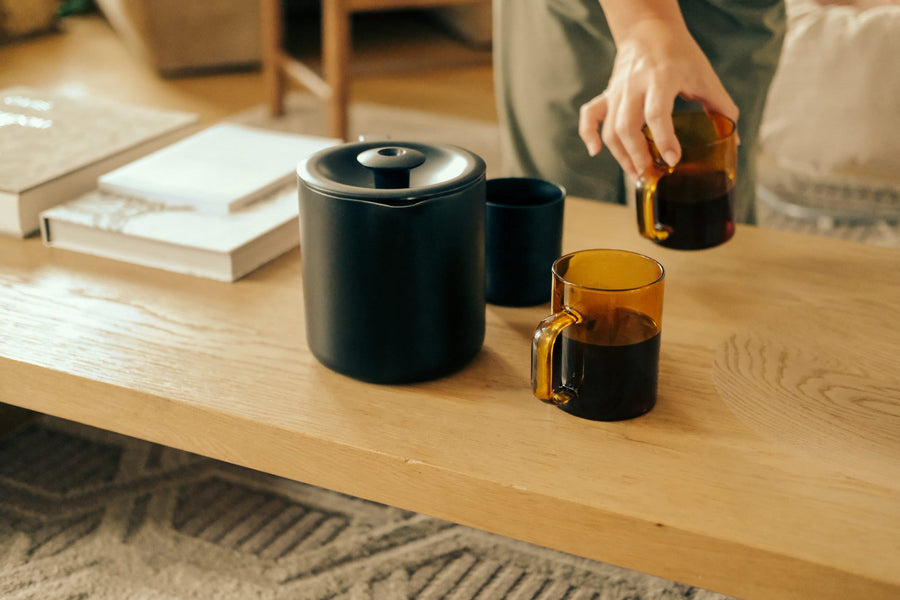
Step 1
Grind just before you brew, medium-fine for pour-over.
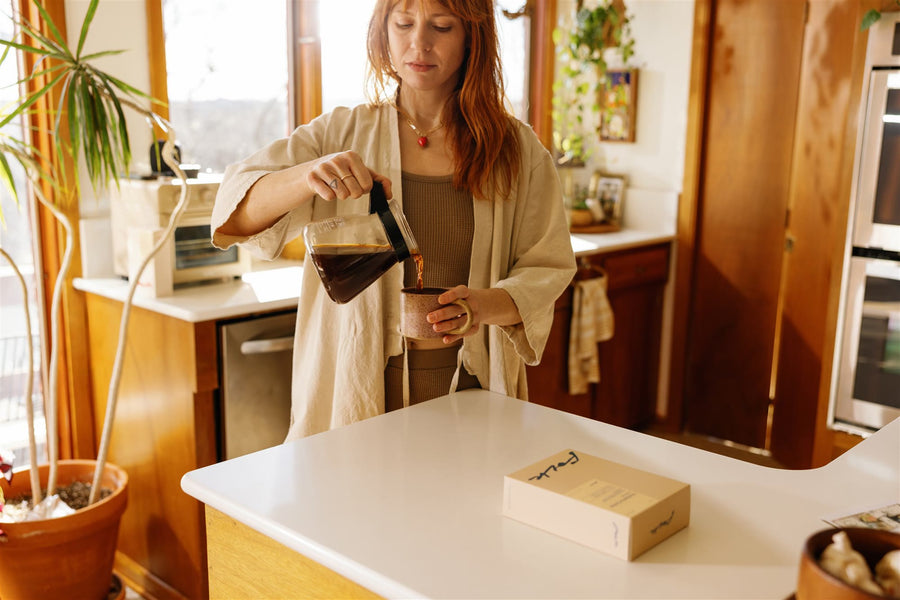
Step 2
Use about 1 gram of coffee to 16 grams of water. 22 g to 350 g is a good cup.
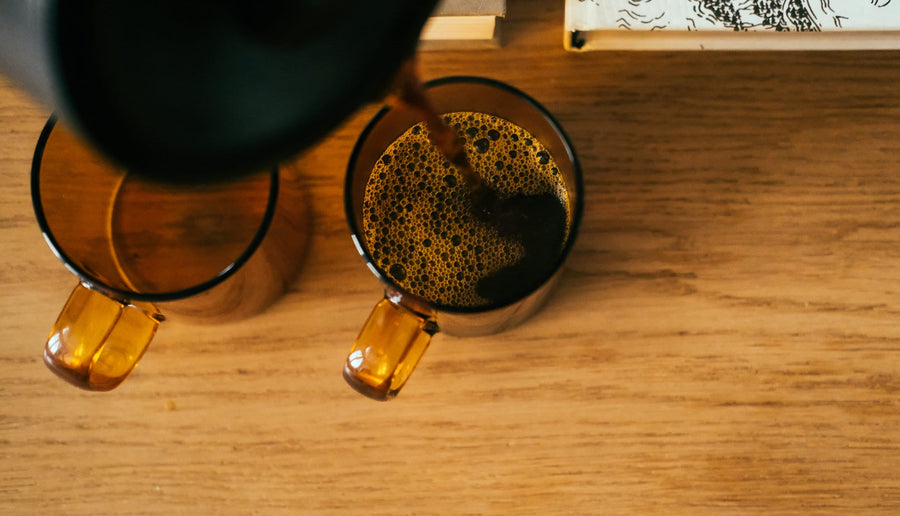
Step 3
Water just off the boil. Pour slowly and evenly, about three minutes total.
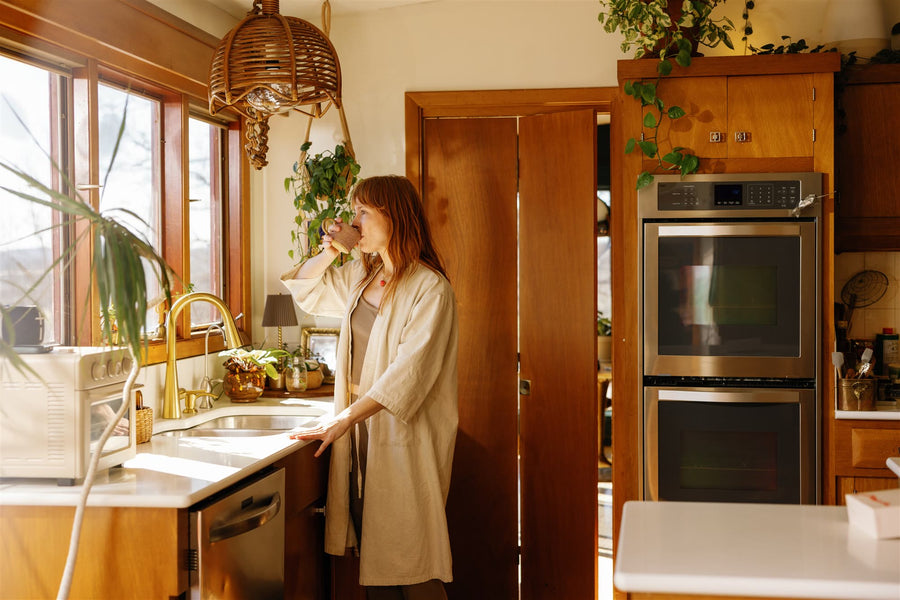
Step 4
Let it cool a little. The fruit notes open up as it does.
How to Brew
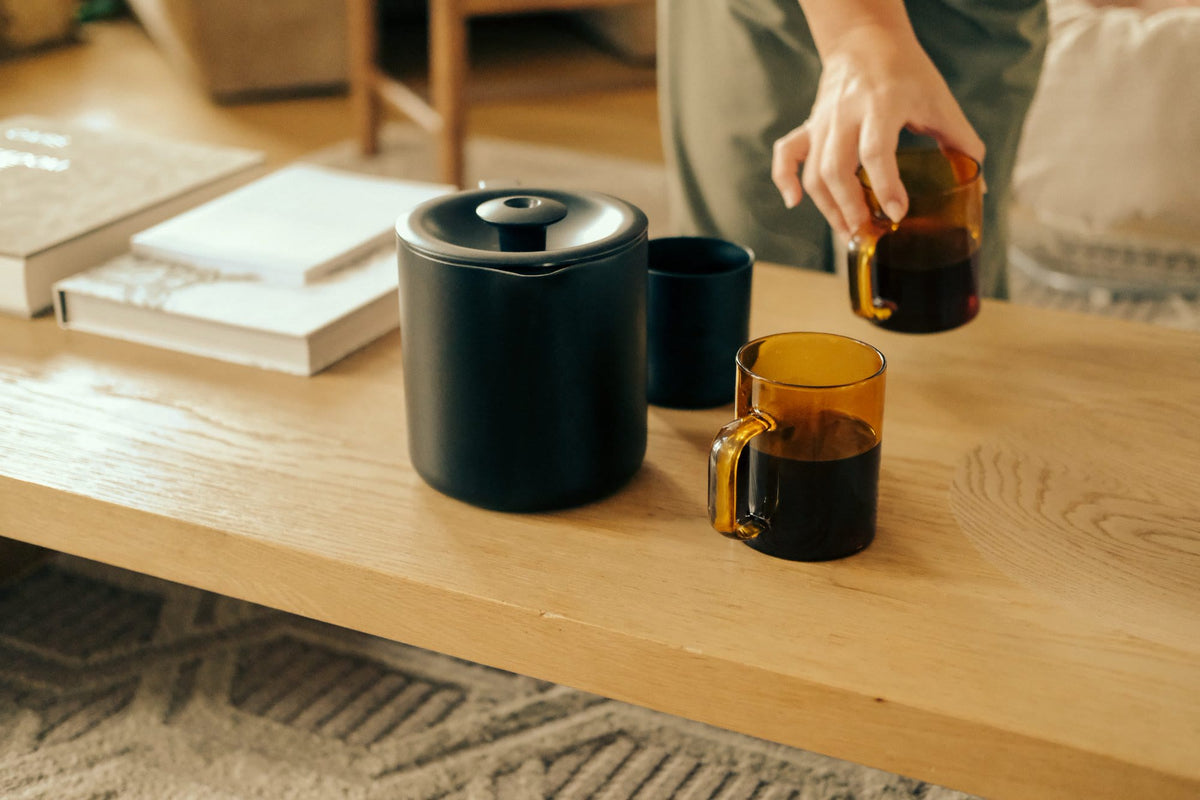
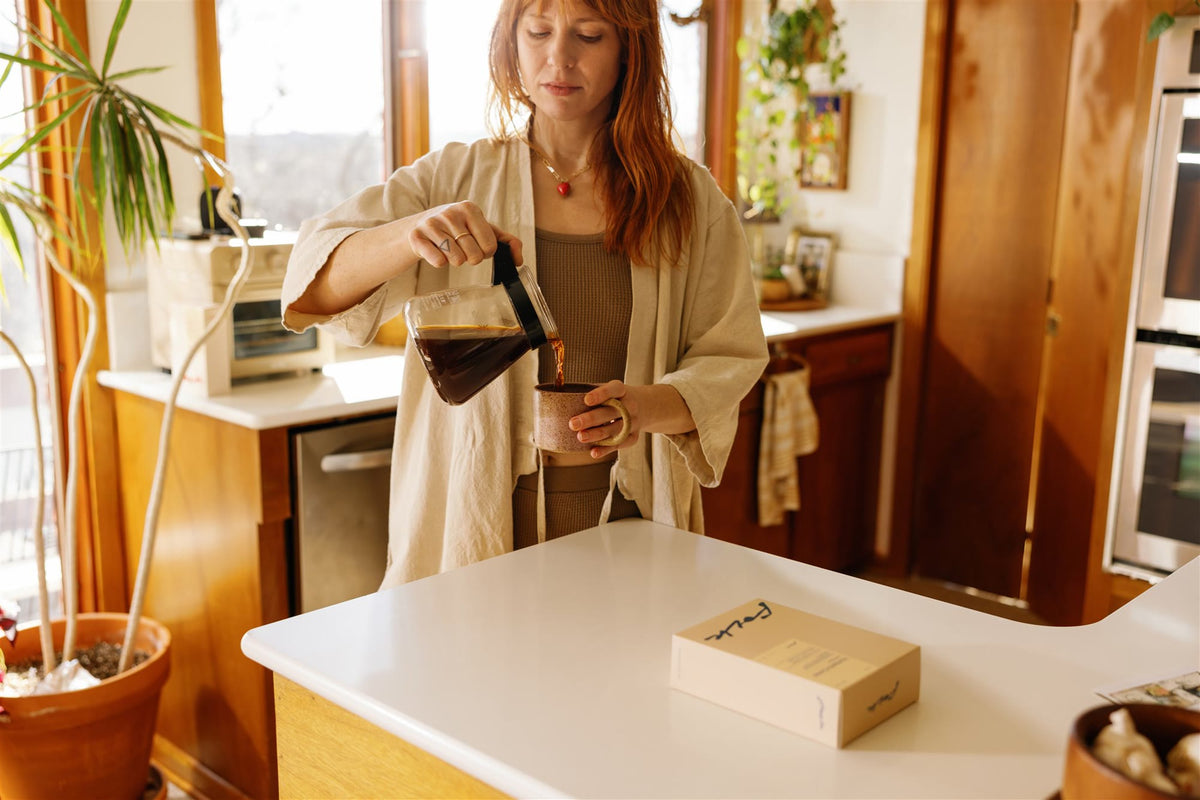
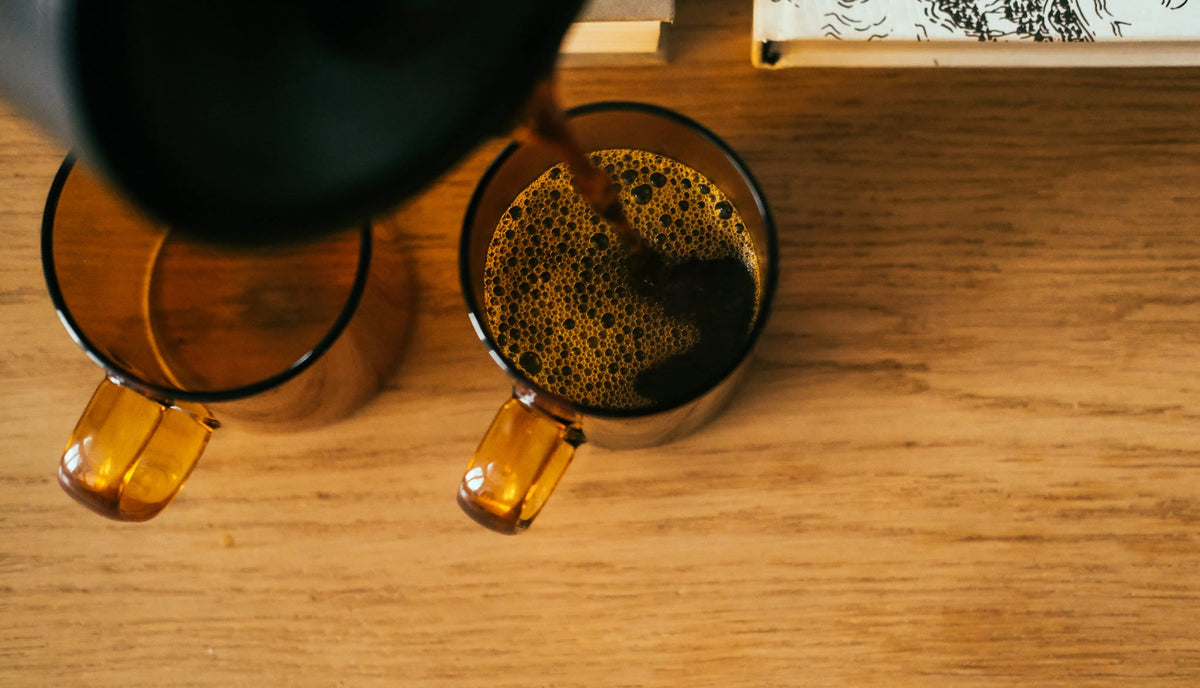
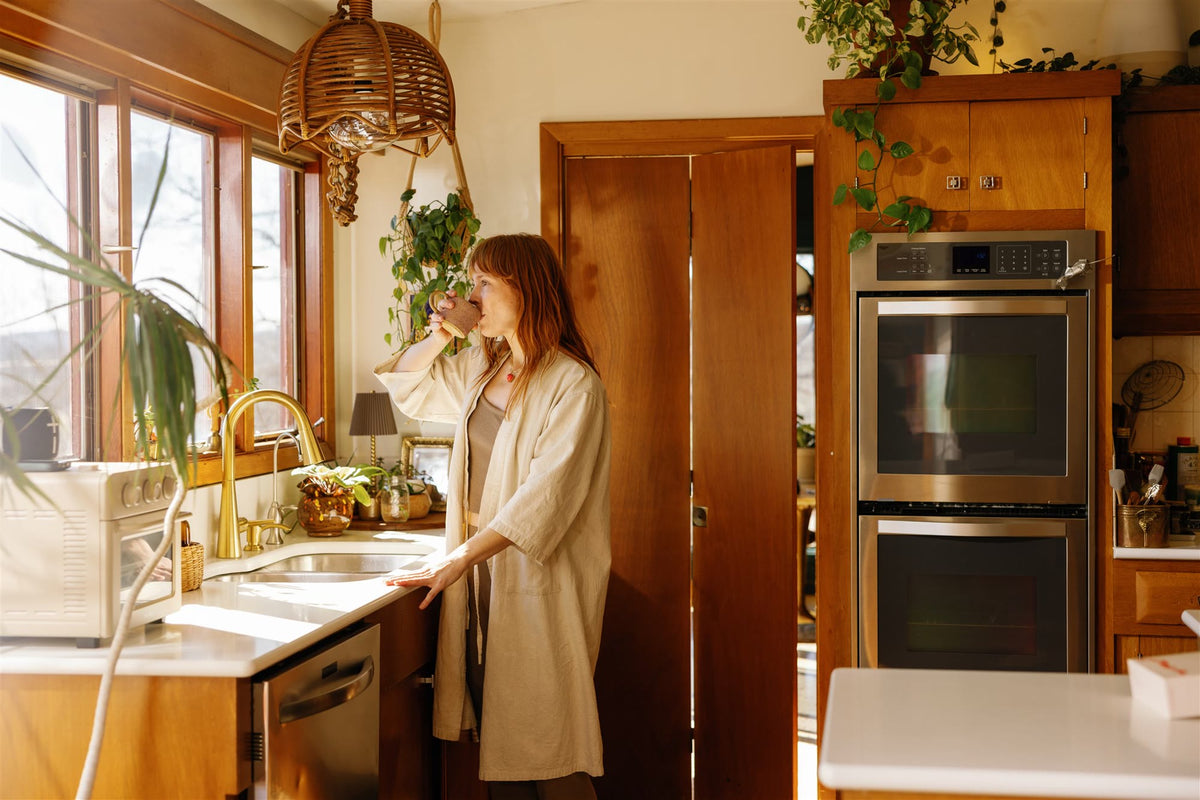
We’ve shared coffee from Aquiares before, and we’re glad to return.
Folk is built around discovery, but also around staying close to producers whose work keeps giving us new ways in. At Aquiares, that work is led by Diego Robelo and his team in Turrialba, Costa Rica, where coffee grows among shade trees, streams, and a large community shaped by the farm around it.
Aquiares is one of Costa Rica’s largest coffee estates, but scale is not the most interesting thing about it. What matters is how deliberately the farm is run. In a lower-elevation region than many specialty farms, Diego and his team rely on careful variety selection, ripe picking, and controlled processing to bring out sweetness and structure.
This honey-processed lot is a good example. After the cherry skin is removed, some of the sticky mucilage is left on the seed as it dries. That remaining fruit layer can add body and sweetness, but only if the drying is closely managed.
Here, the process gives the cup more body without weighing it down. It’s bright and fruit-forward, but there’s softness underneath too: the kind of sweetness that feels closer to pastry and clear sugar than jam.
The story doesn't end here. Explore more in our Learning Hub:
Costa Rica: Where precision meets play
Washed, natural, or honey? The three coffee processing methods compared
At the farm:
Like strawberry-rhubarb pie or guava paste in a buttery crust, and a clear candy sweetness at the edge.
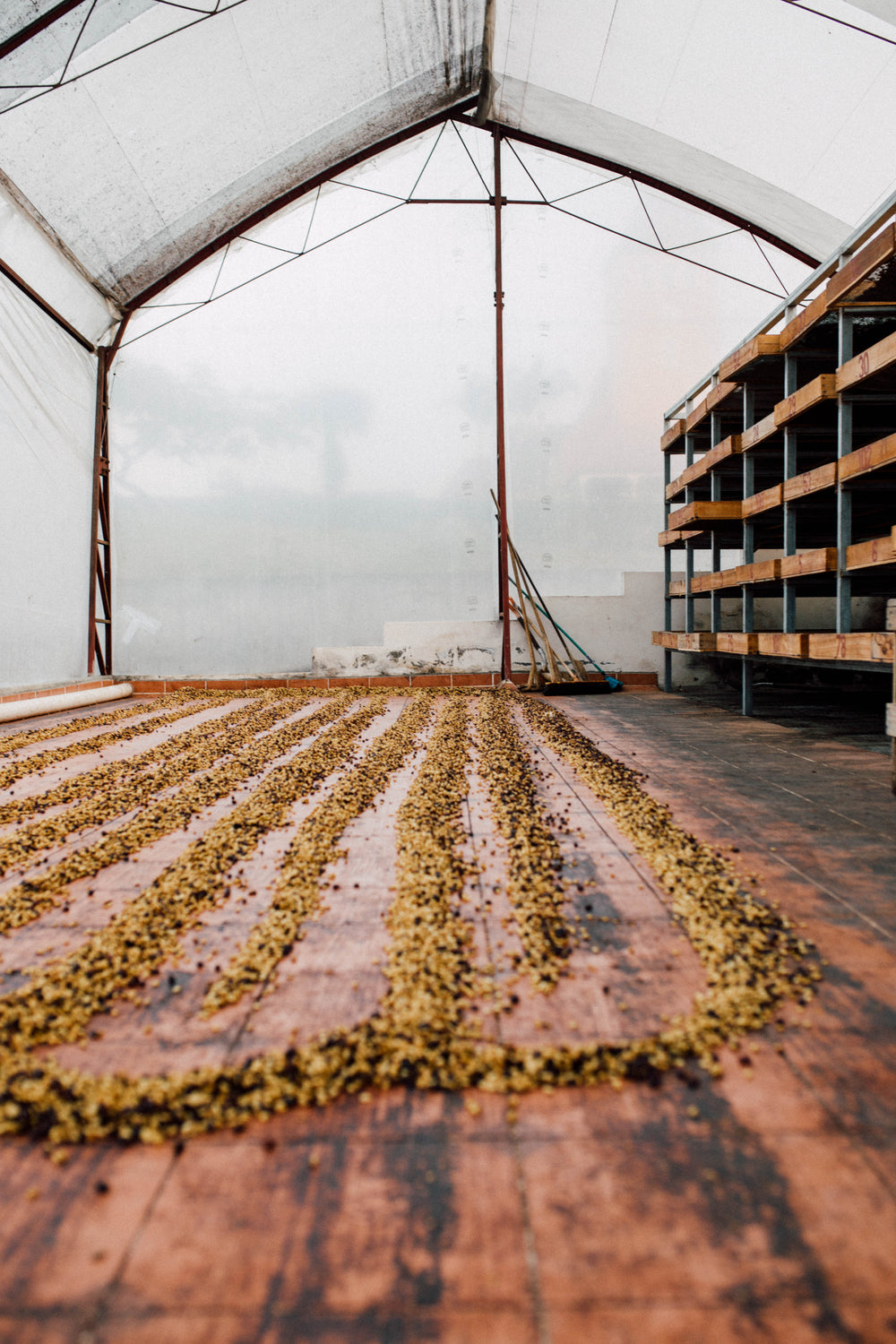
Grown at 1500 MASL, harvested January 2025- April 2026.

Join the Club
Two rare coffees, every month
This month: Volume 10 · Making Room
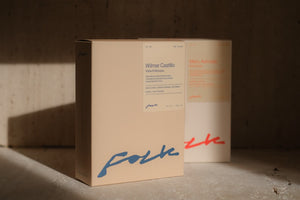
Three Volumes, paid up front
The next three Volumes as they release
Save 15%
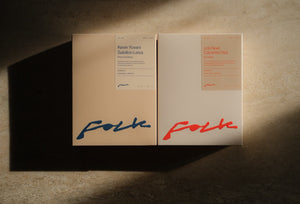
Gift Folk
One month or three, sent to someone else
Send now or on a date you pick

Join the Club
Reviews
★★★★★
My wife and I love Folk Coffee Club.
“Folk does intentionality right. The flow of art, music, stories and of course, coffee, is a thoughtful conversation. It's a great curated experience for any coffee lover.”
Chris Bidwell
Verified Buyer
★★★★★
Folk has been the best upgrade to our morning routine.
“The coffee beans are always top quality and it's so fun learning more about their origin. Folk adds a layer of thoughtfulness and detail to our coffee ritual and we anxiously await the next shipment each month.”
Alyssa Dulin
Verified Buyer
★★★★★
If you love coffee, what more could you want?
“Delicious coffee, sourced from around the world, by experts who care about the people who make it, with a story about how and why you're drinking it.”
Barrett Brooks
Verified Buyer
Thanks for your review. We read every one.
Two 10 oz boxes of single-origin coffee, whole bean, plus a themed playlist.
Each Volume is roasted in small batches and ships within 2 business days of your order.
Yes. You can manage your subscription any time from your account.
Shipping is free on all subscriptions. One-time orders show shipping at checkout.
Every Volume ships whole bean, so it stays fresh until you brew it.